When is the Best Time to Go Gorilla Trekking?

You’ve decided to embark on one of the world’s most incredible wildlife experiences: trekking through the misty, ancient forests of Uganda to come face-to-face with mountain gorillas. But as you start planning, a crucial question arises that will shape your entire adventure: When is the best time to go gorilla trekking?
This isn’t just a matter of checking a weather app. The timing of your trek affects everything from the difficulty of the hike and the clarity of your photographs to the cost of your trip and the density of fellow travelers. The answer to “When is the best time to go gorilla trekking?” isn’t a single date, but rather a understanding of how Uganda’s seasons align with your personal travel preferences.
In this comprehensive guide, we’ll break down Uganda’s two distinct seasons—dry and wet—and give you a clear, honest look at what to expect during each period. By the end, you’ll be equipped to choose the perfect time for your dream gorilla trekking adventure.
Understanding Uganda’s Climate: The Basics
Uganda’s climate is moderated by its altitude, with the gorilla parks (Bwindi Impenetrable Forest and Mgahinga Gorilla National Park) sitting at high elevations. The year is broadly divided into two seasons:
-
Dry Seasons: June to September and December to February
-
Wet Seasons: March to May and October to November
Let’s explore what each season means for your trek and answer the question of when is the best time to go gorilla trekking for different types of travelers.
The Dry Seasons: Peak Conditions for Trekking
June to September: The Prime Trekking Window
This is widely considered the absolute peak season for gorilla trekking in Uganda, and for good reason.
Advantages:
-
Favorable Trekking Conditions: Trails are drier and less muddy, making hiking significantly easier and less slippery.
-
Optimal Photography: Clearer skies and better light allow for stunning photographs of both the gorillas and the breathtaking landscape.
-
Reliable Road Access: The roads leading to the national parks are more accessible, resulting in smoother transfers.
-
Minimal Rain Disruption: Your trek is far less likely to be interrupted by a heavy downpour.
Considerations:
-
Peak Prices: This is the most expensive time to visit, with higher rates for accommodations and tours.
-
High Demand: Gorilla permits sell out many months in advance, requiring early planning and booking.
-
More Tourists: You’ll encounter more fellow travelers in the parks and at lodges.
December to February: The Sweet Spot
This shorter dry season offers many of the same benefits as the longer dry season, with a few distinct characteristics.
Advantages:
-
Pleasant Weather: Generally sunny and dry, perfect for trekking.
-
Lush Landscapes: Following the short rains, the forests are vibrant and green.
-
Good Availability: Often slightly better permit availability than June-September.
Considerations:
-
Holiday Rush: The Christmas and New Year period sees a spike in prices and demand.
-
Can Be Misty: Mornings can be quite misty in the forest, creating atmospheric but sometimes challenging photography conditions.
Verdict: If your priority is the easiest possible trekking conditions and money is less of a concern, the dry seasons answer the question of when is the best time to go gorilla trekking for you.
The Wet Seasons: The Hidden Value of Uganda’s Rainy Periods
March to May & October to November: The Emerald Seasons
Many travelers overlook the wet seasons, but they offer unique advantages that make them the perfect choice for certain visitors. So, for whom is this the answer to when is the best time to go gorilla trekking?
Advantages:
-
Prime Photography Conditions: The rain-washed forests are intensely green and lush, providing a stunning, vibrant backdrop for photography.
-
Fewer Crowds: With fewer tourists, you’ll enjoy a more intimate and personal experience with the gorillas.
-
Cost Savings: Many lodges offer significant discounts during these months, making your overall trip more affordable.
-
Easier Permit Access: Securing a gorilla permit is generally easier, even with shorter planning time.
-
Dramatic Atmosphere: The mist-shrouded forests feel even more mystical and primordial.
Considerations:
-
Challenging Trekking: Trails can be very muddy, slippery, and steep, requiring a better level of fitness and sturdy gear (especially waterproof boots and gaiters).
-
Rain Gear Essential: Quality rain jackets, pants, and waterproof backpack covers are non-negotiable.
-
Potential for Delays: Heavy rain can occasionally lead to road delays or more challenging trekking conditions.
Verdict: If you’re on a budget, don’t mind the rain, and value a more solitary experience, the wet seasons provide an incredible, immersive adventure.
Beyond the Seasons: Other Factors to Consider
Answering “when is the best time to go gorilla trekking?” involves more than just weather. Here are two other crucial factors:
1. Gorilla Behavior and Viewing
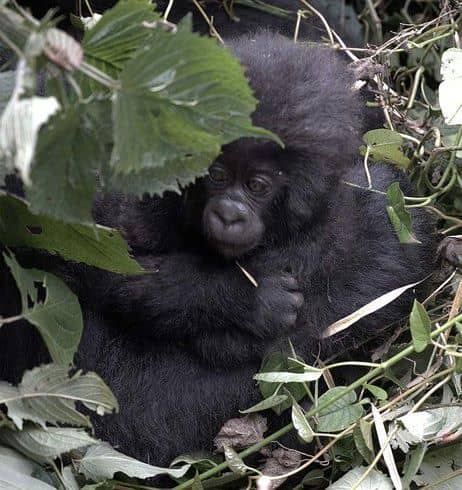
A common misconception is that gorillas are harder to find in the rain. In reality, gorillas are active year-round. During the wet season, they may descend to lower slopes where food is more accessible, which can sometimes make for shorter treks. In the dry season, they might range higher, potentially leading to longer hikes. The quality of your one-hour viewing encounter is spectacular regardless of the season.
2. Combining with Other Ugandan Adventures
If you’re planning a longer Ugandan safari, consider what else you want to see.
-
For General Wildlife Viewing: The dry seasons (June-Sept, Dec-Feb) are also best for classic safaris in parks like Queen Elizabeth and Murchison Falls, as animals gather around predictable water sources.
-
For Bird Watching: The wet seasons are a birder’s paradise, as migrant birds are present and the resident species are in breeding plumage.
The Final Verdict: So, When is the Best Time to Go Gorilla Trekking?
The truth is, there is no bad time to go gorilla trekking in Uganda, only the right time for you.
-
For Optimal Trekking Conditions & Photography: Choose the dry seasons (June-Sept, Dec-Feb). This is the classic answer for those who prioritize comfort and clear skies.
-
For Value, Solitude & Lush Scenery: Choose the wet seasons (Mar-May, Oct-Nov). This is the perfect choice for adventurous spirits and budget-conscious travelers.
Ultimately, the mountain gorillas are there, living their lives in the beautiful, unpredictable forest every single day of the year. The magic of the encounter transcends the weather. By understanding the seasonal variations, you can now confidently decide when is the best time to go gorilla trekking for your own unforgettable journey into the heart of Uganda’s impenetrable forest.