Uganda Safari Seasons: What to Expect Each Month

Imagine standing in a lush, green jungle, the air thick with mist, as a family of mountain gorillas moves gracefully through the bamboo just a few feet away. Or picture yourself on a vast savanna, watching a lion pride laze under the African sun, with the snow-capped Rwenzori Mountains framing the horizon. This is Uganda, the “Pearl of Africa,” a country of breathtaking diversity and year-round beauty.
However, the experience of your Ugandan adventure can vary dramatically depending on when you choose to visit. Understanding the rhythm of the seasons is key to planning the perfect trip. This comprehensive guide to the Uganda Safari Seasons: What to Expect Each Month will help you align your dream safari with the ideal time for your preferred activities, whether it’s gorilla trekking, chimpanzee tracking, or classic wildlife drives.
Uganda’s Climate: The Two-Season Rhythm
Unlike countries with four distinct seasons, Uganda operates on a simpler pattern, primarily influenced by rainfall. This creates two main seasons:
-
Dry Seasons (June to September & December to February): Characterized by lower rainfall, these are the most popular times for safaris. With less rain, roads are more accessible, animals congregate around water sources, and vegetation is less dense, making wildlife easier to spot.
-
Wet Seasons (March to May & October to November): These are the rainy seasons, with heavier, more frequent downpours. While travel can be a bit more challenging, this is when the landscape is at its most vibrant and lush. It’s also the low season, meaning fewer tourists and often lower prices.
But let’s break it down further. A month-by-month analysis of the Uganda Safari Seasons: What to Expect Each Month provides a clearer picture for your planning.
A Month-by-Month Safari Guide
January: The Peak of the Dry Season
-
Weather: Hot and dry, with plenty of sunshine. This is one of the best months for clear skies and photography.
-
What to Expect: Excellent for all safari activities. Wildlife viewing in Queen Elizabeth and Murchison Falls National Parks is superb as animals gather at rivers and waterholes. It’s a prime time for bird watching as migratory birds are still present. This is a popular month, so book gorilla permits well in advance.
February: The Short Dry Spell Continues
-
Weather: Similar to January, with hot, dry conditions prevailing.
-
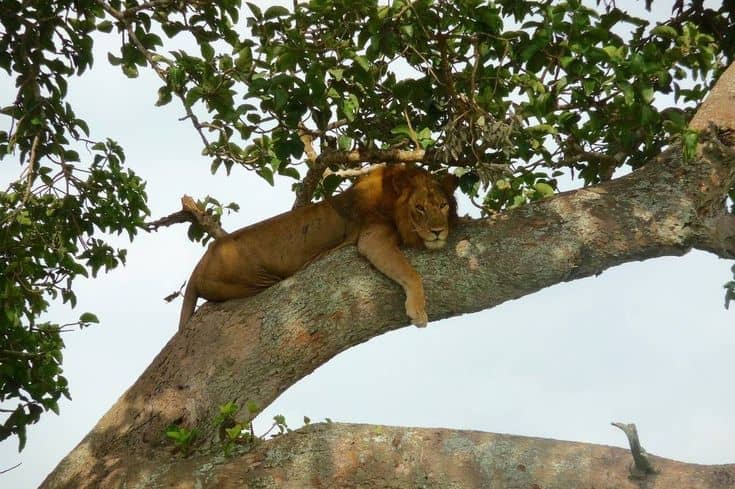
What to Expect: Another fantastic month for game drives. The chances of spotting tree-climbing lions in Ishasha (Queen Elizabeth NP) are high. It’s also a great time for hiking in the Rwenzoris before the rains arrive.
March: The Start of the Long Rains
-
Weather: The beginning of the wet season. Rains become more frequent and intense, typically in the afternoons.
-
What to Expect: The landscape explodes in a blanket of green. This is a beautiful time for photography, but be prepared for muddy roads. Gorilla trekking is still possible, though trails can be slippery. The upside? Fewer crowds.
April: The Pinnacle of the Rainy Season
-
Weather: This is typically the wettest month, with heavy, persistent rainfall.
-
What to Expect: Some parks, especially those in the remote north, may have difficult-to-access roads. Gorilla and chimp trekking can be more challenging but are still deeply rewarding. This is the low season, so you’ll find great deals on accommodation and more solitude.
May: The Rains Begin to Subside
-
Weather: The heavy rains start to taper off, with sunny periods becoming more common.
-
What to Expect: The countryside is incredibly lush and green. This is a wonderful month for birding as many species are nesting. It’s a transitional month, offering a mix of low-season benefits and improving weather.
June: The Start of the Prime Dry Season
-
Weather: The rains have largely cleared, ushering in the long dry season. Days are warm and sunny.
-
What to Expect: This marks the beginning of the high season for tourism. Conditions for gorilla trekking in Bwindi and game viewing in Kidepo Valley become ideal. Everything is accessible, and the weather is comfortable.
July: Peak Safari Season
-
Weather: Dry, sunny, and pleasant, with cooler temperatures, especially in the highlands.
-
What to Expect: Arguably one of the best months for a Ugandan safari. All national parks are at their most accessible, and wildlife viewing is exceptional. This is a very busy month; secure permits and lodges many months in advance.
August: Another Prime Month for Wildlife
-
Weather: Continues to be dry and sunny, perfect for outdoor activities.
-
What to Expect: Excellent for chimpanzee tracking in Kibale Forest and for boat safaris along the Kazinga Channel and the Nile in Murchison Falls. The demand for gorilla permits remains extremely high.
September: The Dry Season Wanes
-
Weather: The end of the main dry season. It can still be very dry, but there’s a chance of brief, sporadic showers.
-
What to Expect: A fantastic time to visit, with continued good weather but slightly fewer tourists than in July and August. Wildlife is still concentrated around water sources.
October: A Transitional Month
-
Weather: The short rains begin. Showers are common but usually short-lived, often occurring in the afternoon.
-
What to Expect: This is a “shoulder season” with many advantages. The landscape is refreshed, birdlife is active, and tourist numbers are lower. It’s a great balance of good weather and affordability.
November: The Short Rains
-
Weather: Similar to October, with intermittent rainfall. It’s generally warmer and more humid.
-
What to Expect: Another excellent month for value and beauty. Gorilla trekking is very rewarding, and the forests are alive with the sounds of life after the rain. Photography conditions can be dramatic and beautiful.
December: The Start of the Short Dry Season
-
Weather: The rains decrease significantly, leading into a warm, dry period around the holidays.
-
What to Expect: A busy and festive time to visit. Conditions are excellent for safari activities. It’s a popular time for families on holiday, so early booking is essential.
So, When is the Absolute Best Time to Go?
The “best” time is subjective and depends entirely on your priorities:
-
For the Best Weather & Easiest Game Viewing: June to September and December to February are your windows. This is the classic answer for the best Uganda Safari Seasons: What to Expect Each Month.
-
For Lush Landscapes & Birding: The wet seasons (March-May, October-November) transform Uganda into a verdant paradise and are heaven for bird watchers.
-
For Fewer Crowds & Lower Prices: Target the shoulder months of April, May, October, and November. You’ll trade perfect weather for intimacy and value.
-
For Gorilla Trekking: Gorillas can be visited year-round! The dry season offers easier trekking, while the wet season provides a more dramatic, lush backdrop and sometimes shorter treks as gorillas forage at lower elevations.
Final Pro-Tips for Your Uganda Safari
-
Book Gorilla Permits Early: They are limited and sell out months in advance, especially during the dry seasons.
-
Pack for All Conditions: Regardless of the season, pack layers, a waterproof jacket, and sturdy, broken-in hiking boots.
-
Embrace the Journey: Uganda is about the raw, authentic experience. A little rain or a muddy road is all part of the adventure.
By understanding the nuances of the Uganda Safari Seasons: What to Expect Each Month, you can craft an itinerary that perfectly matches your travel style and unlocks the magic of the Pearl of Africa at its most beautiful for you.
Start planning your unforgettable Ugandan adventure today!