The Role of Queen Elizabeth National Park in Conservation

When you imagine Queen Elizabeth National Park, you might picture tree-climbing lions or vast elephant herds. These scenes are amazing for visitors. However, they are just one part of a bigger, more important story. This story is all about The Role of Queen Elizabeth National Park in Conservation. The park is not just a beautiful destination. It is a active hub for protecting nature, helping local communities, and promoting sustainable tourism.
Understanding this mission makes your safari more meaningful. It shows how your visit supports vital work. Let’s explore the many ways the park contributes to conservation. We will see how The Role of Queen Elizabeth National Park in Conservation makes a real difference.
A Safe Haven for Wildlife
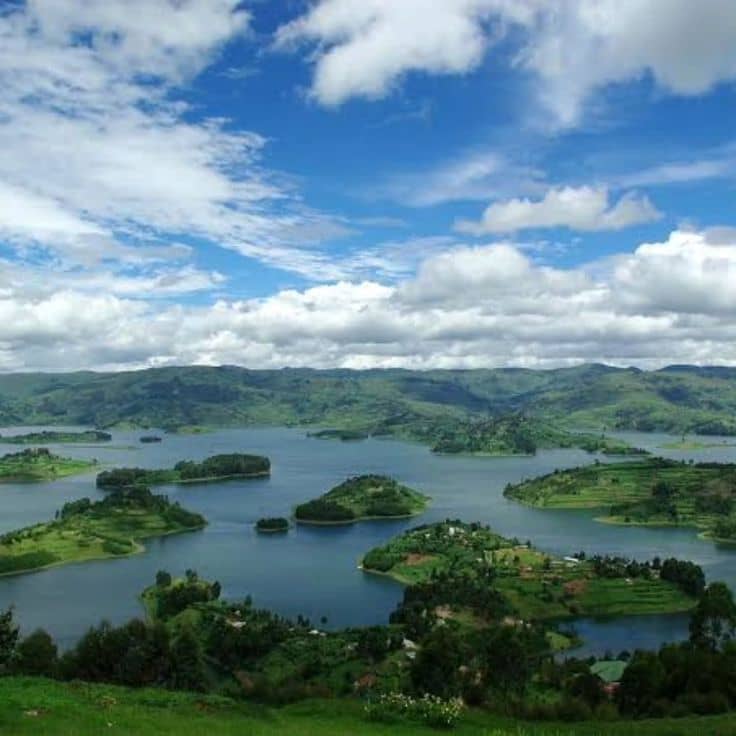
The park protects nearly 2,000 square kilometers of diverse landscapes. These include open savanna, dense forest, and sparkling crater lakes. This variety of habitats is crucial for survival. Therefore, protecting this web of life is the park’s main job.
-
Protecting Habitats: The park secures space for over 95 mammal species and 600 bird species. This ensures wildlife has the room and resources it needs to thrive.
-
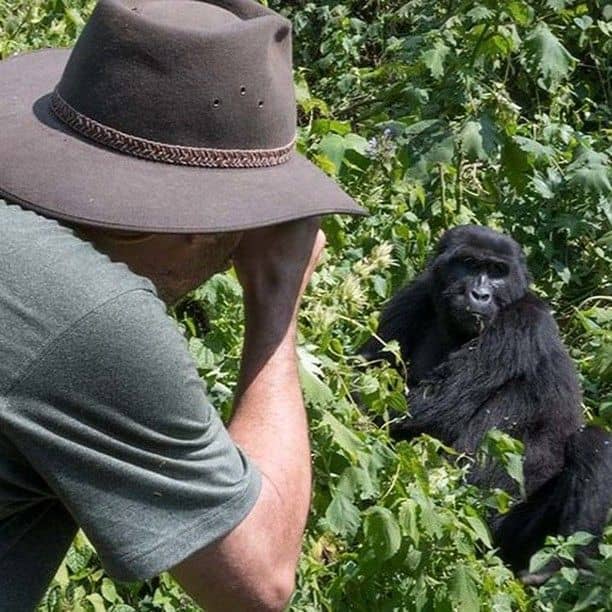
Saving Endangered Species: The park is a key sanctuary for vulnerable animals. For instance, it protects African elephants from poaching. It also provides a home for the famous tree-climbing lions and the chimpanzees of Kyambura Gorge.
This protective mandate is fundamental to The Role of Queen Elizabeth National Park in Conservation, ensuring that Uganda’s most iconic creatures have a safe haven.
Beyond the Boundaries: Community as Conservation Partners
Modern conservation understands that parks cannot exist as isolated islands. The future of wildlife depends on the support and cooperation of neighboring communities. This is an area where QENP truly excels, demonstrating a progressive model of inclusive conservation.
-
Revenue Sharing: A portion of the revenue generated from park entrance fees is invested directly into community projects surrounding the park. This funds the construction of schools, health clinics, and clean water sources, showing local people that wildlife is a valuable asset that improves their lives.
-
Human-Wildlife Conflict Mitigation: The park management works tirelessly with communities to reduce conflicts, particularly with crop-raiding elephants. Techniques like planting chili peppers as a natural deterrent and constructing reinforced trenches help foster coexistence.
-
Employment and Enterprise: From safari guides and lodge staff to artisans and cultural performers, tourism linked to the park creates thousands of jobs and supports local businesses, providing a powerful economic alternative to poaching or habitat destruction.
This community-centric approach is a critical part of The Role of Queen Elizabeth National Park in Conservation, building a constituency of local people who become the park’s most passionate guardians.
A Landscape of Learning: Research and Monitoring
Conservation is a science-driven endeavor. The park is a living laboratory where vital research is conducted to inform management strategies.
-
The Lion Monitoring Project: Researchers closely monitor the lion populations, tracking their numbers, health, and movements to mitigate threats and ensure their long-term survival.
-
Ecosystem Health: Ongoing studies on the park’s unique crater lakes, wetlands, and savannas help managers understand the impacts of climate change and human activity, allowing for proactive protection measures.
This continuous cycle of research and adaptation ensures that conservation efforts are effective and evidence-based, solidifying The Role of Queen Elizabeth National Park in Conservation as a leader in wildlife management.
How Your Visit Makes a Difference
As a visitor, you are not a passive observer; you are an active participant in this conservation story. The permit fees you pay, the lodges you stay at, and the guides you hire directly fund the initiatives described above. By choosing to visit, you are casting a vote for the preservation of this incredible landscape. You are contributing to the salaries of rangers, the funding of community schools, and the success of research programs.
Experience Conservation in Action
To truly appreciate The Role of Queen Elizabeth National Park in Conservation, weave these experiences into your itinerary:
-
Take a Cruise on the Kazinga Channel: Witness the spectacular concentration of wildlife and learn from guides about the park’s aquatic ecosystems.
-
Track Chimps in Kyambura Gorge: This “Primate Odyssey” offers a stark, beautiful reminder of the fragility of forest ecosystems and the importance of protecting them.
-
Visit a Community Project: Many tour operators can arrange visits to nearby community initiatives, giving you a firsthand look at how tourism is changing lives.
In conclusion, Queen Elizabeth National Park is a legacy of wildness. It shows Uganda’s strong commitment to preserving its natural heritage. The ongoing Role of Queen Elizabeth National Park in Conservation ensures that the lion’s roar and the elephant’s trumpet will echo here for generations. Your adventure supports this vital mission.