Preparing for Gorilla Trekking: A 2-Month Fitness Plan

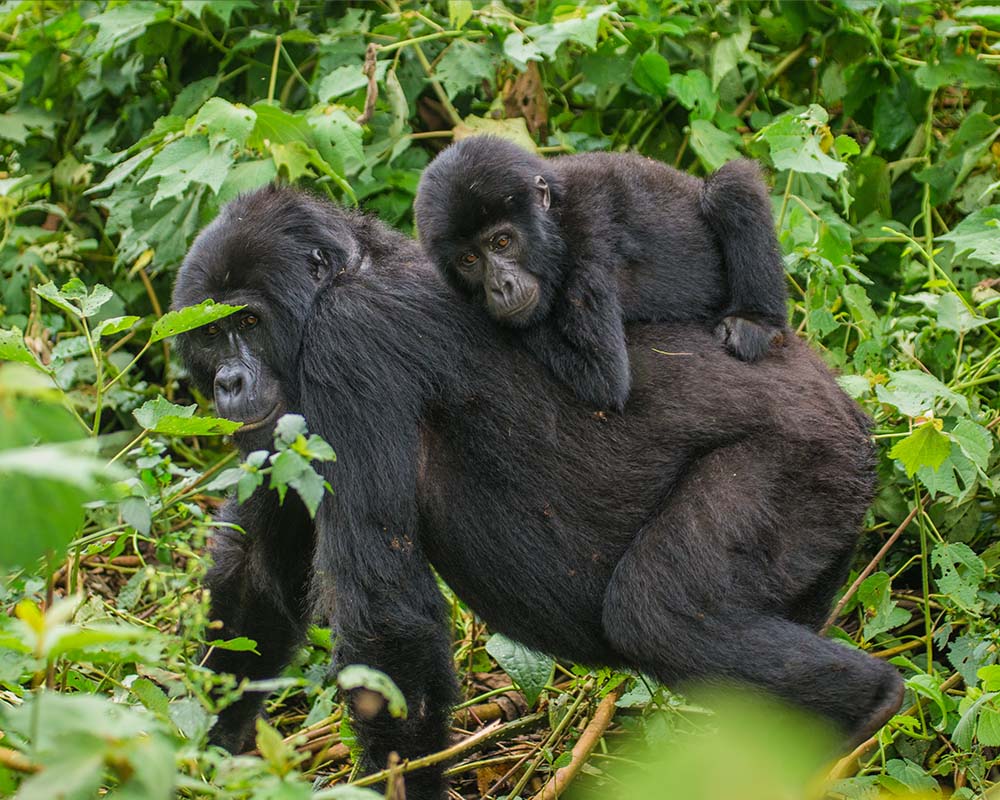
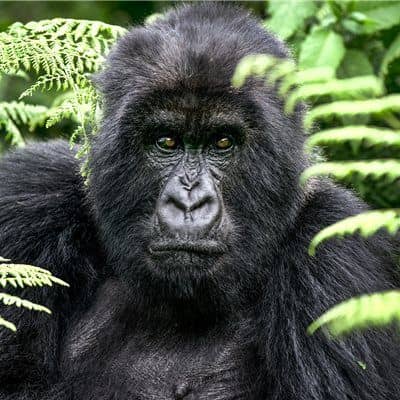
You’ve made the thrilling decision to journey to Uganda for a face-to-face encounter with majestic mountain gorillas. Imagine the misty jungles of Bwindi Impenetrable Forest and the profound moment of locking eyes with a silverback. Between that dream and reality, however, lies the trek—a journey through rugged, steep, and unpredictable terrain. Consequently, proper preparation is the key to transforming this physical challenge from a daunting ordeal into an empowering part of your adventure. Therefore, we have created this essential guide: Preparing for Gorilla Trekking: A 2-Month Fitness Plan.
Ultimately, this plan isn’t about becoming an elite athlete. Instead, it’s about building the specific strength and endurance you need to confidently conquer the hills and fully immerse yourself in one of the world’s greatest wildlife experiences.
Why a Targeted Fitness Plan is Non-Negotiable
While gorilla trekking is often romanticized, the “Impenetrable” Forest in its name is a literal description. The challenges you will face are uniquely demanding for several reasons:
-
High Altitude: Firstly, you’ll be hiking between 2,200-2,500 meters, where the thin air can leave you breathless even without exertion.
-
Uneven Terrain: Secondly, expect muddy, slippery slopes, hidden roots, and relentless inclines that require constant balance.
-
Unpredictable Duration: Moreover, treks can last anywhere from 1 to 8 hours, demanding significant stamina as you search for the gorillas.
-
Humidity and Weather: Finally, the rainforest climate can be draining, often shifting from sunshine to a downpour in minutes.
As a result, being physically prepared ensures you spend your trek enjoying the symphony of the jungle, not just listening to your own labored breathing.
Your Blueprint: “Preparing for Gorilla Trekking: A 2-Month Fitness Plan”
This detailed 8-week plan is designed to progressively build the cardiovascular endurance and leg strength you’ll need. Always consult with a doctor before starting any new fitness regimen.
The Weekly Schedule (for all 8 weeks):
-
Day 1: Cardio & Leg Strength
-
Day 2: Active Recovery
-
Day 3: Cardiovascular Endurance
-
Day 4: Rest
-
Day 5: Full Body Strength & Stability
-
Day 6: Long, Slow Cardio
-
Day 7: Rest
Month 1: Building Your Foundation
The goal of the first four weeks is to establish a solid fitness base and get your body accustomed to the types of movement you’ll be doing.
Day 1: Cardio & Leg Strength
-
Activity: Hilly hike or 30-45 minutes on the stair climber.
-
Strength Circuit (2 sets of 12-15 reps): Bodyweight Squats, Forward Lunges, Calf Raises.
Day 2: Active Recovery
-
Activity: 30 minutes of gentle walking, swimming, or yoga.
Day 3: Cardiovascular Endurance
-
Activity: 30 minutes of steady-state cardio. Jogging, brisk walking, or cycling on a varied route.
Day 4: Rest
Day 5: Full Body Strength & Stability
-
Strength Circuit (2 sets):
-
Plank (hold for 30 seconds)
-
Glute Bridges (15 reps)
-
Push-Ups (or knee push-ups) (10-12 reps)
-
Bird-Dog (10 reps per side)
-
Day 6: Long, Slow Cardio
-
Activity: A 60-minute walk on a weekend morning. Focus on duration, not speed.
Month 2: Increasing Intensity and Simulation
Now we ramp things up to closely mimic the actual trekking conditions.
Day 1: Cardio & Leg Strength
-
Activity: Increase your hilly hike or stair climber session to 45-60 minutes.
-
Strength Circuit (3 sets of 12-15 reps): Add weight with a backpack (start with 5kg/10lbs). Perform Weighted Squats, Walking Lunges, and Step-Ups on a bench or high step.
Day 2: Active Recovery (Unchanged)
Day 3: Cardiovascular Endurance
-
Activity: Introduce intervals. After a 5-min warm-up, alternate 2 minutes of fast walking/jogging with 1 minute of recovery walking. Repeat for 20-25 minutes.
Day 4: Rest
Day 5: Full Body Strength & Stability
-
Strength Circuit (3 sets): Increase the difficulty.
-
Plank (hold for 45-60 seconds)
-
Single-Leg Glute Bridges (12 reps per side)
-
Push-Ups (max reps)
-
Side Planks (30 seconds per side)
-
Day 6: Long, Slow Cardio
-
Activity: This is your simulation day. Go for a 90-minute to 2-hour hike wearing the boots you’ll take to Uganda and a backpack with 6-7kg (15lbs). Seek out the steepest, most uneven trails you can find.
This progressive approach is the core of an effective Preparing for Gorilla Trekking: A 2-Month Fitness Plan, ensuring your body is truly ready.
Beyond the Gym: Essential Trek Preparation
Your fitness is the main event, but these supporting actors are crucial for success:
-
Break In Your Boots: This cannot be overstated. Wear your hiking boots during your training sessions, especially the long weekend hikes, to prevent painful blisters in the forest.
-
Hydration & Nutrition: Practice drinking water regularly during your workouts. This will become second nature on trek day.
-
Hire a Porter: For around $20, you can hire a local porter to carry your daypack. This is not a sign of weakness; it’s a smart strategy that provides a helping hand and supports the local community, making your trek significantly more enjoyable.
The Final Stretch: Week Before You Go
Taper your activity. Your last hard workout should be 4-5 days before your trek. In the final days, focus on light walks, stretching, and hydration. Pack your gear confidently, knowing you have put in the work.
By following this Preparing for Gorilla Trekking: A 2-Month Fitness Plan, you won’t just be ready for the trek; you’ll be ready to embrace every single step of the journey. The physical effort becomes part of the story, making that first glimpse of a wild gorilla family all the more rewarding.
You’ve done the work. You are ready. Your adventure in Uganda awaits