Is Gorilla Trekking Ethical? What Every Responsible Traveler Should Know

You’ve seen the breathtaking photographs and read the life-changing accounts. The dream of standing mere feet from a mountain gorilla in its natural habitat is a powerful pull for any nature lover. But in an age of increasing awareness about wildlife tourism, a crucial question naturally arises for the conscious traveler: Is gorilla trekking ethical? before booking this adventure is not just important—it’s essential.
This is not a question with a simple yes or no answer. It requires a thoughtful look at the practices, regulations, and impact of this unique wildlife encounter. The good news is that when conducted properly, gorilla trekking is not only ethical but is a critical pillar in the survival of a species that was once on the brink of extinction. This guide will delve deep into the conservation model, the potential pitfalls, and the role you play as a visitor, providing a clear framework for understanding is gorilla trekking ethical?
The Conservation Success Story: From Brink of Extinction to Cautious Hope
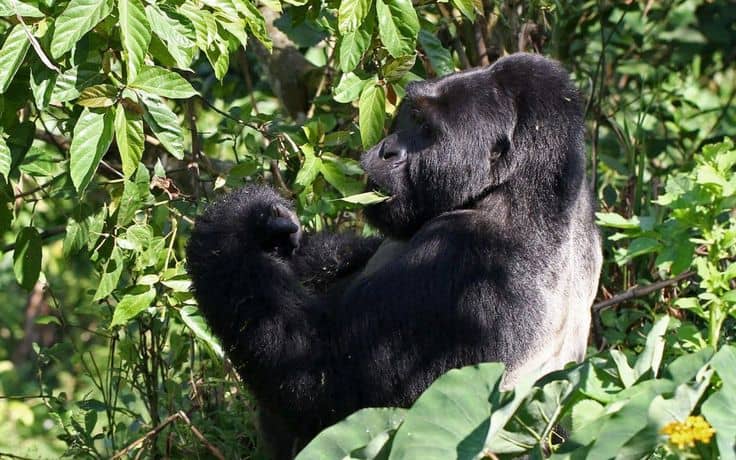
To understand the ethics, we must first look at the results. In the 1980s, the future for mountain gorillas was bleak. Habitat loss, poaching, and disease had plummeted their numbers to an estimated 240 individuals. Today, thanks largely to the gorilla tourism model, that number has more than doubled to over 1,000. This remarkable turnaround is the strongest argument in favor of well-managed trekking.
The revenue generated from trekking permits, $800 in Uganda and $1,500 in Rwanda, is the financial engine for conservation. This money directly funds:
-
Anti-Poaching Patrols: Rangers who risk their lives to protect the gorillas from snares and hunters.
-
Veterinary Care: Programs like the Gorilla Doctors, who provide emergency medical care to injured or ill gorillas.
-
Habitat Protection: Preserving the delicate forest ecosystems of Bwindi Impenetrable Forest and the Virunga Mountains.
-
Community Development: A significant portion of the revenue is shared with local communities, providing them with a tangible economic incentive to protect the gorillas and their forest home.
This direct link between tourism and survival is the core of the ethical argument. By visiting, you become a active participant in this conservation success story.
The Rules of Engagement: Minimizing Impact, Maximizing Respect
A central part of answering is gorilla trekking ethical? lies in the strict rules enforced during every trek. These protocols are not suggestions; they are mandatory practices designed to protect the gorillas’ health and well-being.
-
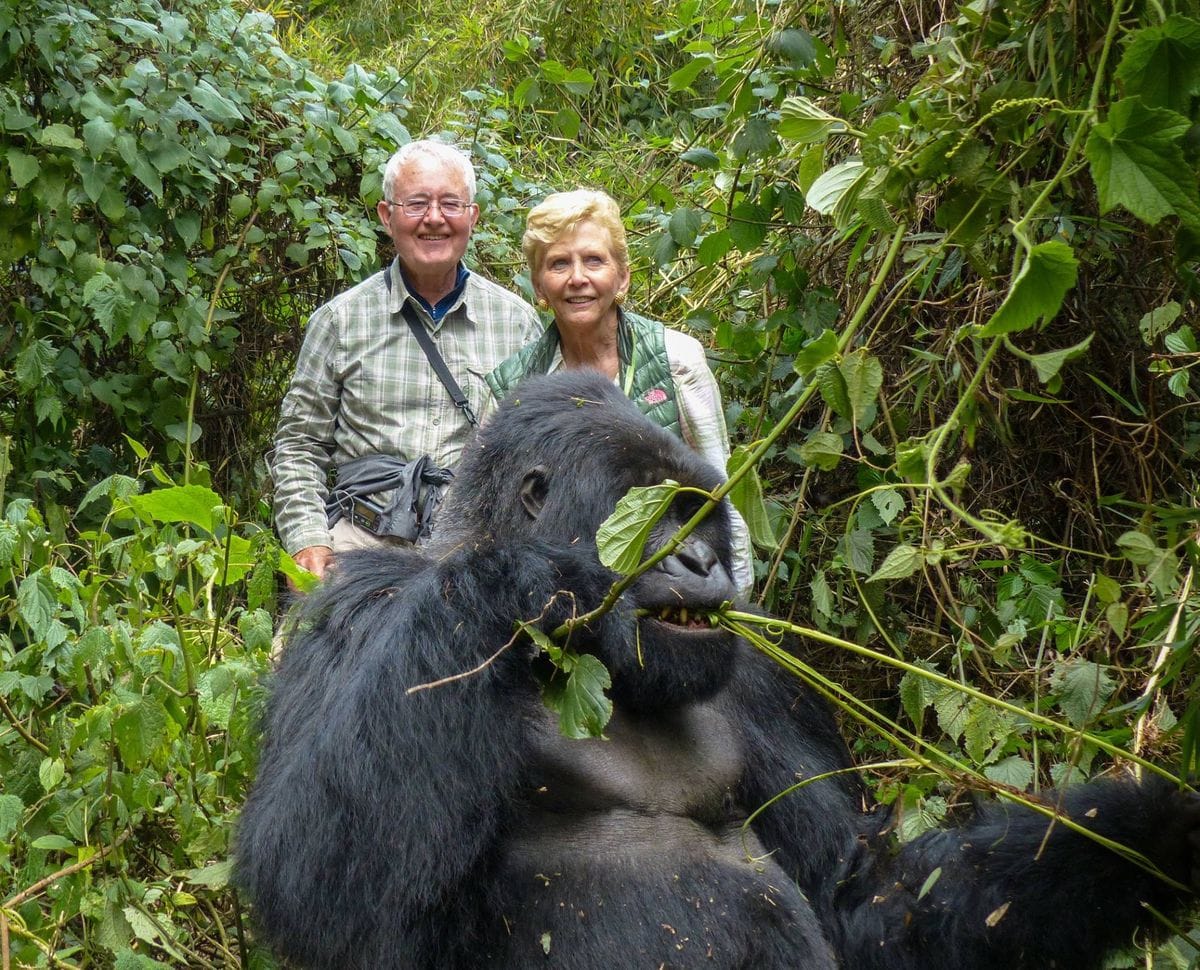
The 7-Meter Distance Rule: Maintaining a safe distance (about 21 feet) is paramount. This reduces the stress on the animals and, most critically, minimizes the risk of transmitting human diseases. Gorillas share about 98% of our DNA, making them highly susceptible to illnesses like the flu, measles, or even a common cold, which can be fatal to them.
-
Time Limits: Each visit is strictly limited to one hour. This prevents the gorillas from being over-habituated or overly stressed by human presence.
-
No Trekking When Sick: If you are ill, you will be refused entry to the park. This is non-negotiable and is a key tenet of responsible practice.
-
Limited Group Sizes: Only a maximum of eight visitors are allowed to visit a single habituated gorilla family per day. This minimizes disruption to their natural behavior.
-
No Flash Photography and Quiet Voices: Sudden flashes and loud noises can agitate the gorillas. Guides enforce a calm, quiet atmosphere.
These rules transform the encounter from a disruptive intrusion into a carefully managed observation.
The Habituation Process: Earning Trust, Not Taming
A critical aspect of understanding is gorilla trekking ethical? is the concept of habituation. The gorillas you visit are not tame; they are habituated.
This is a years-long process conducted by expert trackers and conservationists who slowly and patiently accustom a specific gorilla family to the presence of humans. The goal is not to make them pets or to interact with them, but simply to make them tolerant of our presence for a short period. This process is conducted with immense patience and respect for the gorillas’ space and social structure, ensuring it causes minimal stress.
Potential Ethical Concerns and How They Are Addressed
No system is perfect, and a honest ethical analysis must consider the potential downsides.
-
Disease Transmission: This is the most significant risk. It is mitigated by the distance rule and health screenings. Your responsibility is to be honest about your health and follow the rules meticulously.
-
Behavioral Changes: Could habituation change natural gorilla behavior? Research so far shows that well-managed tourism has minimal long-term impact on factors like feeding, ranging, and social behavior. The one-hour limit is key here.
-
The Stress of Human Presence: While the gorillas are habituated, their comfort is prioritized. If a silverback shows signs of agitation, the guide will immediately have the group back away or end the visit early.
Your Role as a Responsible Traveler: Choosing Wisely
The final piece of the puzzle for is gorilla trekking ethical? is you. Your choices directly influence the industry’s standards.
-
Choose a Reputable Operator: Book with a tour company that has a clear and committed responsible tourism policy, employs local guides, and emphasizes strict adherence to the park rules.
-
Follow the Rules Unquestioningly: Listen to your guide and follow every instruction without hesitation. The rules are there for a reason.
-
Be Physically Prepared: Being fit means you can focus on the rules and the experience, rather than struggling to keep up, which can lead to shortcuts and mistakes.
-
Support Conservation: View your permit fee not as a cost, but as a direct donation to gorilla survival.
The Verdict: A Force for Good
So, is gorilla trekking ethical? is that it is a carefully balanced conservation tool. It is not without risk, but those risks are actively managed through rigorous protocols. The alternative, a world without the financial and political incentive to protect these forests, is far more dangerous for the gorillas.
When you trek with a reputable operator, follow the rules without exception, and understand that you are a guest in the gorillas’ world, you are participating in one of the most successful conservation stories of our time. You are not just a tourist; you are a guardian, contributing to the future of a species whose survival once hung by a thread. That is the heart of ethical gorilla trekking.