How to Plan a Successful Group Safari in Uganda: Costs, Lodges & Transport Guide.
You have finally done it. You have gathered your crew, whether friends, family, or fellow adventurers, and agreed on the ultimate dream: a safari in the Pearl of Africa.
But now comes the hard part: actually planning the thing. Where do you start? How much will it cost? Where will you stay? How do you get everyone from place to place without losing your mind, or your budget?
Welcome to the definitive resource on How to Plan a Successful Group Safari in Uganda: Costs, Lodges & Transport Guide. This comprehensive guide is designed to walk you through every single step of planning a group safari, ensuring that your adventure is memorable for all the right reasons.
In this guide, we will break down the real costs of a 2026 safari, explore accommodation options that work for groups, explain transportation logistics, and share insider tips to keep your group happy and your budget intact. By the end, you will know exactly How to Plan a Successful Group Safari in Uganda: Costs, Lodges & Transport Guide, and you will be ready to book with confidence.
Let’s dive in.
Part 1: Understanding the Costs of a Group Safari in Uganda (2026 Update)
The first question every group asks is: “How much will this cost?” The answer depends on several factors, but we can give you realistic numbers to work with.
The Big Picture: What Drives Safari Costs
| Cost Factor | Impact on Price | Notes |
|---|---|---|
| Gorilla Permits | High (fixed) | $800 per person, non-negotiable |
| Group Size | Inverse relationship | Larger groups = lower per-person cost |
| Season | Moderate | Peak vs. green season pricing |
| Accommodation Level | High | Budget to luxury range |
| Trip Duration | Direct | Longer trips cost more |
| Activities | Moderate | Optional activities add cost |
Detailed Cost Breakdown for 2026
Gorilla Trekking Permits: The Fixed Cost
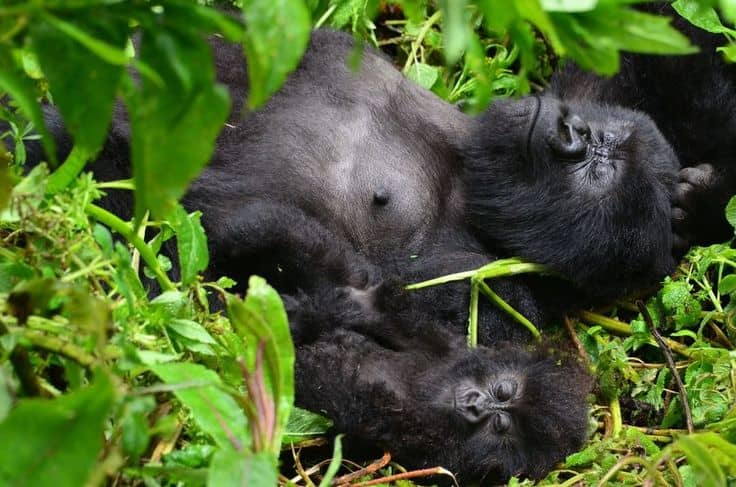
The single biggest expense for any Uganda safari is the gorilla trekking permit. For 2026, the cost remains $800 per person for foreign non-residents . This is a fixed cost that cannot be negotiated, and permits must be booked well in advance, ideally 6-12 months before your travel dates.
Group Strategy: Since this cost is fixed, your only way to “save” is to ensure everyone in your group actually wants to do the trek. It is a once-in-a-lifetime experience, but if some members prefer other activities, they can skip it and save the $800.
Chimpanzee Tracking Permits
Chimpanzee tracking is another popular primate experience. Permits cost approximately $250 per person . Some group packages include this in the total price, while others list it separately.
National Park Entry Fees
Uganda Wildlife Authority charges daily entry fees for national parks. These are typically $40-$45 per person, per 24-hour period . For a 7-day safari visiting 3-4 parks, this adds up to roughly $150-$200 per person.
Accommodation Costs: From Budget to Luxury
Accommodation is where group planning really pays off. Here is what you can expect to pay per person per night in 2026:
| Accommodation Level | Price Range Per Person/Night | Examples |
|---|---|---|
| Budget Camping/Bandas | $30 – $70 | UWA campsites, Wild Tracks Overland Camp |
| Mid-Range Lodges | $80 – $150 | Fort Murchison Lodge, Kibale Forest Camp, The Bush Lodge |
| Upscale Lodges | $200 – $400 | Paraa Safari Lodge, Mahogany Springs |
| Luxury (New for 2026) | $500+ | Kulu Ora (opening 2026, private plunge pools) |
Group Tip: Many lodges offer family rooms, triple rooms, or group cottages that reduce the per-person cost. The new Kulu Ora lodge opening in Murchison Falls in 2026 features a dedicated two-bedroom group suite . Always ask about group accommodations when booking.
Transportation Costs: The Big Group Saver
Transport is where group travel delivers the biggest savings. A private safari vehicle (typically a customized 4×4 Land Cruiser with pop-up roof for game viewing) costs approximately $200-$300 per day, including a professional driver-guide and fuel .
The Group Math:
-
Solo traveler: Pays $200-$300 per day
-
Group of 4: Pays $50-$75 per day each
-
Group of 6: Pays $33-$50 per day each
This is the fundamental principle of How to Plan a Successful Group Safari in Uganda: Costs, Lodges & Transport Guide, the more people in your vehicle, the cheaper the per-person transport cost.
Sample Package Prices for 2026
To give you a realistic idea of total costs, here are actual 2026 group safari prices from operators:
| Tour | Duration | Price Per Person (Group Size) | Includes |
|---|---|---|---|
| 4-Day Fly-In Gorilla Safari | 4 days | $2,184 (group of 6) | Gorilla permit, flights, 3-star lodges |
| 8-Day Scheduled Group Tour | 8 days | $3,580 | Gorilla/chimp permits, mid-range lodges |
| 7-Day Adventure Holiday | 7 days | $3,350 | Wildlife, gorillas, Nile activities |
| 3-Day Bwindi Gorilla Safari | 3 days | $1,555 | Gorilla permit, basic accommodation |
| 2-Day Queen Elizabeth Tour | 2 days | $400 | Game drive, boat cruise, lodging |
Hidden Costs to Budget For
Even on an all-inclusive group safari, there are always extras:
-
Tips and gratuities: For guides ($15-$20 per day per group), lodge staff, and porters ($20 per trek)
-
Visas: $50 for single-entry e-visa (must be obtained online before arrival)
-
Travel insurance: Mandatory, ensure it covers medical evacuation and trekking
-
Drinks: Alcoholic beverages are rarely included
-
Laundry services: Usually an extra cost
-
Souvenirs and personal items
-
Porter fees during treks: Hiring a porter ($20) supports local communities and helps you carry gear
Money-Saving Tips for Groups
-
Travel in the Green Season (March-May, October-November): Lodges drop prices by 20-30% and parks are less crowded.
-
Maximize your vehicle: Aim for 6 people in a safari vehicle to optimize cost-per-person without feeling cramped.
-
Mix accommodation types: Splurge on a luxury lodge for a night or two, but use mid-range or budget options for the rest.
-
Book early: Gorilla permits and popular lodges sell out, last-minute bookings often mean paying premium prices for whatever is left.
-
Consider a scheduled group tour: If your group is small (2-3 people), joining a scheduled departure with other travelers can be cheaper than a private tour .
Part 2: Choosing Lodges for Your Group
Accommodation can make or break a group safari. The right lodge keeps everyone happy; the wrong one can lead to grumpy travelers.
Types of Accommodation for Groups
Budget Camps and Camping
For student groups, backpackers, or adventurous families, budget options work well.
-
Wild Tracks Overland Camp in Queen Elizabeth offers safari tents, shared guest cabins, and a established campsite for self-catering campers . It is located on the park boundary with basic facilities and a campfire area, perfect for groups wanting a true bush experience.
-
UWA campsites inside national parks are incredibly affordable but very basic (pit toilets, no running water).
Mid-Range Lodges
The sweet spot for most groups. Private rooms with en-suite bathrooms, good food, and comfortable common areas.
Examples from a sample 8-day itinerary :
-
Fort Murchison Lodge: Mid-range lodge just outside Murchison Falls NP
-
Kibale Forest Camp: Tented camp near Kibale, perfect for chimpanzee tracking
-
The Bush Lodge: Bandas near Queen Elizabeth NP
-
Gorilla Valley Lodge: Bordering Bwindi, convenient for gorilla trekking
Upscale and Luxury Lodges
For groups wanting to splurge on special occasions or celebrations.
-
Paraa Safari Lodge: Classic upscale lodge in Murchison Falls
-
Mahogany Springs: Beautiful lodge near Bwindi
-
New for 2026: Kulu Ora in Murchison Falls, 11 canvas-walled suites with private plunge pools, a two-bedroom group suite, spa overlooking the Nile, yoga and meditation offerings . This is luxury redefined and perfect for groups wanting to celebrate in style.
What to Look for in Group Accommodation
When evaluating lodges for your group, ask these questions:
-
Do they have family rooms or multi-bedroom cottages? These keep the group together and reduce costs.
-
Is there a communal area? A lounge, pool deck, or campfire area where the group can gather in the evenings.
-
Can they accommodate special dietary needs? Notify the lodge in advance about allergies or restrictions.
-
What is the meal arrangement? Full board (breakfast, lunch, dinner) is standard on safari.
-
Is there reliable WiFi? Important for some groups, less so for others.
-
Do they offer group discounts? Always ask—you might be surprised.
Accommodation Booking Timeline for 2026
| Timing | Action |
|---|---|
| 12+ months out | Research lodges, read reviews, shortlist options |
| 9-12 months out | Book gorilla permits first, then secure accommodation |
| 6-9 months out | Finalize bookings for peak season (June-Sept, Dec-Feb) |
| 3-6 months out | Book for green season travel |
| Less than 3 months | Limited options, may need to compromise |
Part 3: Transportation Logistics for Groups
Getting your group safely and comfortably from place to place is perhaps the most critical part of How to Plan a Successful Group Safari in Uganda: Costs, Lodges & Transport Guide.
Safari Vehicles: What You Need to Know
The Standard: Customized 4×4 Safari Land Cruiser
These are the gold standard for Ugandan safaris. Features include:
-
Pop-up roof for game viewing (everyone can stand and photograph)
-
Comfortable seating for 6-7 passengers with window seats for all
-
Large storage area for luggage
-
Reliable for rough roads and remote areas
-
AC and charging ports
Group Size Ideal: 6 people is the sweet spot, comfortable with space for everyone’s gear.
Safari Vans (Mini-buses)
These are budget alternatives, often used for larger groups or shorter distances. They are less comfortable on rough roads and have smaller windows for game viewing.
Overland Trucks
For very large groups (10-20 people), overland trucks are an option. These are expedition-style vehicles with high seating, storage for camping gear, and a social atmosphere. Popular with student groups and budget travelers.
Domestic Flights: A Time-Saving Option
Uganda has a growing network of domestic flights that can save your group hours of driving.
-
Routes: Entebbe to Murchison Falls, Entebbe to Bwindi (Kihihi or Kisoro airstrips), and others
-
Flight time: Approximately 1-2 hours vs. 5-8 hours driving
-
Cost: $200-$400 per person one-way, depending on route
-
Group advantage: Saves time, reduces fatigue, and adds a unique experience
The 4-Day Fly-In Gorilla Safari package includes a domestic flight from Entebbe to Kihihi, dramatically reducing travel time .
Sample Driving Times Between Destinations
| Route | Driving Time | Distance |
|---|---|---|
| Entebbe to Murchison Falls | 5-6 hours | ~300 km |
| Murchison Falls to Kibale | 5-6 hours | ~280 km |
| Kibale to Queen Elizabeth | 3-4 hours | ~150 km |
| Queen Elizabeth to Bwindi | 3-4 hours | ~160 km |
| Bwindi to Lake Mburo | 5-6 hours | ~270 km |
| Lake Mburo to Entebbe | 4-5 hours | ~240 km |
These times assume good road conditions and minimal stops. Factor in bathroom breaks, meal stops, and photo opportunities, your guide will build these into the day.
The Group Vehicle Dynamic
Managing a group in a confined space for hours requires some thought:
-
Seat rotation: Consider rotating seats daily so everyone gets a turn at different views.
-
Snack kit: Bring shared snacks and plenty of water (provided by your operator).
-
Entertainment: Download playlists, podcasts, or audiobooks for long drives.
-
Patience: Remember that everyone is excited but tired, a little grace goes a long way.
Part 4: Step-by-Step Planning Guide for 2026
Now that you understand the components, here is the actual process for How to Plan a Successful Group Safari in Uganda: Costs, Lodges & Transport Guide.
Step 1: Assemble Your Group and Set Expectations
Before you do anything else, gather your potential travelers and discuss:
-
Budget range: Be honest about what everyone can afford.
-
Travel dates: Identify windows that work for the majority.
-
Must-do activities: Gorillas? Chimps? Big Five? Nile adventures?
-
Trip length: How many days can everyone commit to?
-
Accommodation style: Budget, mid-range, or luxury?
Step 2: Choose Your Safari Type
Decide which model works for your group:
| Option | Best For | Pros | Cons |
|---|---|---|---|
| Private Group Safari | Families, friend groups of 4-8 | Total control, privacy, your own pace | Higher cost per person |
| Scheduled Group Tour | Small groups (2-3), solo travelers | Lower cost, meet others, less planning | Fixed itinerary, group pace |
| Custom Scheduled | Groups wanting flexibility | Can add pre/post nights | Core itinerary still fixed |
Step 3: Research and Contact Tour Operators
Reach out to 2-3 reputable tour operators with your requirements. Ask for:
-
Custom quotes based on your group size
-
Sample itineraries
-
References from past group travelers
-
Details on what is included and excluded
-
Payment terms and cancellation policies
Step 4: Book Gorilla Permits First
Once you have a tentative itinerary and price quote, book your gorilla permits immediately. These are the most limited resource and dictate your entire trip. Permits require full payment at time of booking and are non-refundable .
Step 5: Secure Accommodation
With permits confirmed, your operator will book accommodation. For popular lodges during peak season, this step is time-sensitive.
Step 6: Book International Flights
With your dates locked in, book your flights to Entebbe International Airport (EBB). Aim to arrive at least one day before your safari starts to account for delays.
Step 7: Arrange Visas and Insurance
-
Visas: Apply online for the Uganda e-visa ($50) at least 2 weeks before travel.
-
Insurance: Purchase comprehensive travel insurance that covers medical evacuation, trip cancellation, and trekking activities.
Step 8: Prepare for Departure
-
Vaccinations (Yellow Fever is mandatory)
-
Packing (see below)
-
Communicate with your group about meeting points and times
-
Exchange currency (Ugandan shillings or USD)
Part 5: Sample Group Itineraries with Costs
Option A: 7-Day Classic Group Safari (Mid-Range)
Perfect for first-time visitors wanting the highlights.
| Day | Destination | Activities |
|---|---|---|
| 1 | Arrival Entebbe | Meet guide, transfer to hotel |
| 2 | Transfer to Murchison Falls | Ziwa Rhino Sanctuary en route |
| 3 | Murchison Falls | Game drive, boat cruise to falls |
| 4 | Transfer to Kibale | Scenic drive through Fort Portal |
| 5 | Kibale | Chimpanzee tracking |
| 6 | Transfer to Queen Elizabeth | Evening game drive |
| 7 | Queen Elizabeth to Entebbe | Morning game drive, flight or drive back |
Estimated Cost Per Person (Group of 6): $2,500 – $3,000
*Includes: Transport, mid-range lodging, most meals, park fees, chimp permit. Excludes: Gorilla permit ($800 extra), flights, tips.*
Option B: 10-Day Ultimate Uganda Safari (Mixed Accommodation)
For groups wanting gorillas, chimps, and the Big Five.
| Day | Destination | Highlights |
|---|---|---|
| 1 | Arrival Entebbe | Welcome dinner |
| 2-3 | Murchison Falls | Game drives, boat cruise |
| 4-5 | Kibale | Chimpanzee trekking, Bigodi wetland |
| 6-7 | Queen Elizabeth | Game drives, Kazinga Channel cruise |
| 8-9 | Bwindi | Gorilla trekking, Batwa community |
| 10 | Return to Entebbe | Equator stop, departure |
Estimated Cost Per Person (Group of 6): $4,000 – $5,000
Includes: Transport, mixed lodging (budget to upscale), all meals, park fees, gorilla permit, chimp permit. Excludes: Flights, tips, drinks.
Option C: 4-Day Fly-In Gorilla Express
For groups short on time but wanting the ultimate experience.
| Day | Destination | Highlights |
|---|---|---|
| 1 | Arrival Entebbe | Transfer to guesthouse |
| 2 | Fly to Bwindi | Settle in, village walk |
| 3 | Gorilla Trekking | The main event! |
| 4 | Fly to Entebbe | Departure |
Cost Per Person (Group of 6): $2,184
*Includes: Flights, 3-star lodging, all meals, gorilla permit, transfers. Excludes: International flights, tips, drinks.*
Part 6: Packing for a Group Safari
Essential Items for Everyone
-
Soft-sided duffel bag (15-20kg limit; hard suitcases don’t fit well in safari vehicles)
-
Neutral-colored clothing (khaki, green, beige, no bright colors or camouflage)
-
Waterproof jacket (essential for rain and mist)
-
Sturdy hiking boots (broken in before the trip)
-
Garden gloves (for gripping during treks)
-
Binoculars (absolutely essential)
-
Camera with extra batteries and memory cards
-
Reusable water bottle
-
Insect repellent (with DEET)
-
Sunscreen and sun hat
-
Small backpack for daily essentials
-
Headlamp or flashlight (for lodges with evening pathways)
-
Basic first aid kit and personal medications
-
Power bank for charging devices
Group Gear to Share
-
Portable speaker for campfire music
-
Card games or travel games for evenings
-
Binoculars (if anyone forgets)
-
Snacks from home (everyone appreciates familiar treats)
Part 7: Frequently Asked Questions
How far in advance should we book a 2026 group safari?
For peak season (June-September, December-February), book 9-12 months in advance. Gorilla permits sell out, and the best lodges get booked quickly. For green season, 3-6 months may suffice .
What is the ideal group size for a safari?
6 people is the sweet spot. It fits comfortably in one safari vehicle (everyone gets a window seat), allows for cost-effective sharing, and is small enough for lodges to accommodate easily. Groups of 4-5 also work well .
Can we customize a scheduled group tour?
Yes, many operators allow customization. For example, you can add pre- or post-nights, swap activities, or upgrade accommodation. The core itinerary remains fixed, but you have flexibility around the edges .
What happens if someone in the group cannot trek?
If a group member cannot do the gorilla trek (due to fitness, health, or preference), they can:
-
Wait at the lodge (the permit is non-refundable, so this is expensive)
-
Arrange an alternative activity (nature walk, community visit)
-
Transfer their permit to another person (with operator approval, subject to availability)
Are children allowed on group safaris?
Age policies vary:
-
Gorilla trekking: Minimum age is 15 years
-
Chimpanzee tracking: Usually minimum age 12-15
-
Game drives: No minimum, but children must be accompanied by adults
Some tours specifically welcome families; check with your operator.
Is it safe to travel in a group in Uganda?
Yes. Uganda is a welcoming, safe destination for tourists. Group travel adds an extra layer of security. Professional guides are trained in safety protocols, and lodges are secure. Use common sense, listen to your guide, and you will have a safe, wonderful experience.
Conclusion: Your Group Safari Awaits
Planning a group safari in Uganda may seem daunting at first, but with the right information and approach, it becomes an exciting journey in itself. By understanding How to Plan a Successful Group Safari in Uganda: Costs, Lodges & Transport Guide, you are already ahead of the game.
Remember the key principles:
-
Start early—permits and lodges book up fast
-
Communicate openly with your group about budget and expectations
-
Leverage group size to save on transport and accommodation
-
Choose the right operator with group experience
-
Prepare thoroughly so everyone knows what to expect
Uganda offers something magical for groups, shared wonder, collective awe, and memories that will be retold for decades. The thunder of Murchison Falls, the gentle gaze of a mountain gorilla, the laughter around a campfire under African stars, these moments multiply in power when experienced with people you love.
The gorillas are waiting. The Nile is flowing. The savanna is calling.
Gather your group, follow this guide, and prepare for the adventure of a lifetime in the Pearl of Africa.