How to Plan a Custom Uganda Birding Safari: Permits, Habitats & Target Species Explained
Uganda, the Pearl of Africa, is a dream destination for birders. With over 1,070 recorded bird species—50% of Africa’s avian diversity and 10% of the world’s total—it offers an ornithological adventure like no other . But with such incredible variety comes the challenge of planning. A successful trip requires more than just booking a flight; it demands a deep understanding of logistics, timing, and habitats. That is exactly why we have created this comprehensive guide on How to Plan a Custom Uganda Birding Safari: Permits, Habitats & Target Species Explained.
Whether you are chasing the prehistoric Shoebill, the elusive Green-breasted Pitta, or the dazzling Albertine Rift endemics, proper planning transforms a good trip into an unforgettable one. As we look toward travel in 2026, this guide will walk you through every step—from understanding permit costs and national park entry fees to choosing the right habitats and targeting specific species. Let’s begin your journey into the heart of Africa’s premier birding destination.
Why Uganda? The Birder’s Paradise
Before diving into logistics, it is worth understanding why Uganda deserves a top spot on your birding bucket list. The country’s strategic location at the confluence of East African savannah, West African rainforest, and the northern semi-desert creates an extraordinary diversity of ecosystems . This unique positioning means you can tick off West African forest specialists, East African savannah birds, and Albertine Rift endemics—often all in a single safari.
Understanding How to Plan a Custom Uganda Birding Safari: Permits, Habitats & Target Species Explained starts with appreciating this diversity. Your planning will determine which of the 24 Albertine Rift endemics you see, whether you connect with the Shoebill in its swampy kingdom, and how efficiently you navigate the country’s world-class birding hotspots .
Step 1: Understanding 2026 Permit Costs and Park Fees
The foundation of any Uganda birding safari is understanding the fees. The Uganda Wildlife Authority (UWA) has set clear 2026 conservation tariffs that you must budget for .
National Park Entry Fees (Per Day)
| Park Category | Foreign Non-Resident | Foreign Resident | East African Citizen |
|---|---|---|---|
| Category A+ (Murchison Falls) | $45 USD | $40 USD | UGX 20,000 |
| Category A (Kidepo, Queen Elizabeth, Kibale, Bwindi, Lake Mburo, Semuliki, Mgahinga, Rwenzori) | $40 USD | $30 USD | UGX 15,000 |
| Vehicle Entry (Foreign registered) | $150 USD | — | — |
| Vehicle Entry (Ugandan registered) | UGX 30,000 | — | — |
These are per day, per person fees. If you spend three days in Queen Elizabeth National Park, you pay three times the daily rate. This is a critical component of How to Plan a Custom Uganda Birding Safari: Permits, Habitats & Target Species Explained because it directly impacts your overall budget.
Primate Permit Prices (Optional Add-Ons)
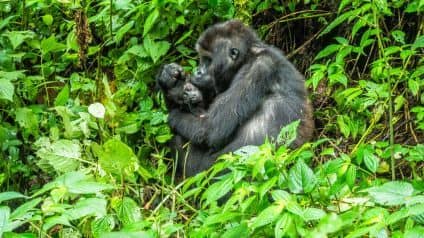
Many birders choose to combine their avian quest with primate encounters. If you plan to include gorilla trekking or chimpanzee tracking, these permits are required :
| Activity | Foreign Non-Resident | Foreign Resident | East African Citizen |
|---|---|---|---|
| Gorilla Trekking | $800 USD | $700 USD | UGX 300,000 |
| Gorilla Habituation Experience | $1,500 USD | $1,000 USD | UGX 750,000 |
| Chimpanzee Tracking | $250 USD | $200 USD | UGX 180,000 |
Important Note for 2026: Gorilla permits are strictly limited—only 160 per day for the entire country. For peak seasons (June-September and December-February), you should book 6 to 10 months in advance. For the exclusive Gorilla Habituation Experience, which allows only 8 people per day, booking 12 months ahead is highly recommended .
Step 2: Timing Your Safari for Maximum Birding Success
When planning How to Plan a Custom Uganda Birding Safari: Permits, Habitats & Target Species Explained, timing is everything. Uganda offers year-round birding, but each season has distinct advantages .
Dry Seasons (December–February & June–August)
-
Advantages: Trails are firm and accessible, foliage is thinner (improving visibility), birds concentrate around water sources, and forest birding is easier.
-
Disadvantages: Peak tourist season means higher lodge occupancy and prices.
Wet Seasons (March–May & October–November)
-
Advantages: Lush green backdrops, birds in breeding plumage, migratory species present (November–April), and many luxury lodges offer discounts of 20-30% .
-
Disadvantages: Some trails become muddy and harder to navigate; afternoon showers are common.
For the ultimate birding experience, many experts recommend the June to August window, which balances excellent bird activity with comfortable travel conditions. However, if your target species include migratory birds, the November to April period is ideal .
Step 3: Choosing Your Habitats and Target Species
Uganda’s diverse habitats host distinct bird communities. Understanding these connections is central to How to Plan a Custom Uganda Birding Safari: Permits, Habitats & Target Species Explained.
1. Wetlands and Swamps: The Shoebill Kingdom
Key Locations: Mabamba Swamp, Murchison Falls Nile Delta, Lake Mburo wetlands.
Mabamba Swamp, a Ramsar-listed wetland on Lake Victoria’s northern shore, is the most reliable site for the legendary Shoebill. Accessible just an hour from Entebbe, you explore papyrus channels by dugout canoe with expert local guides .
Target Species:
-
Shoebill (the undisputed star)
-
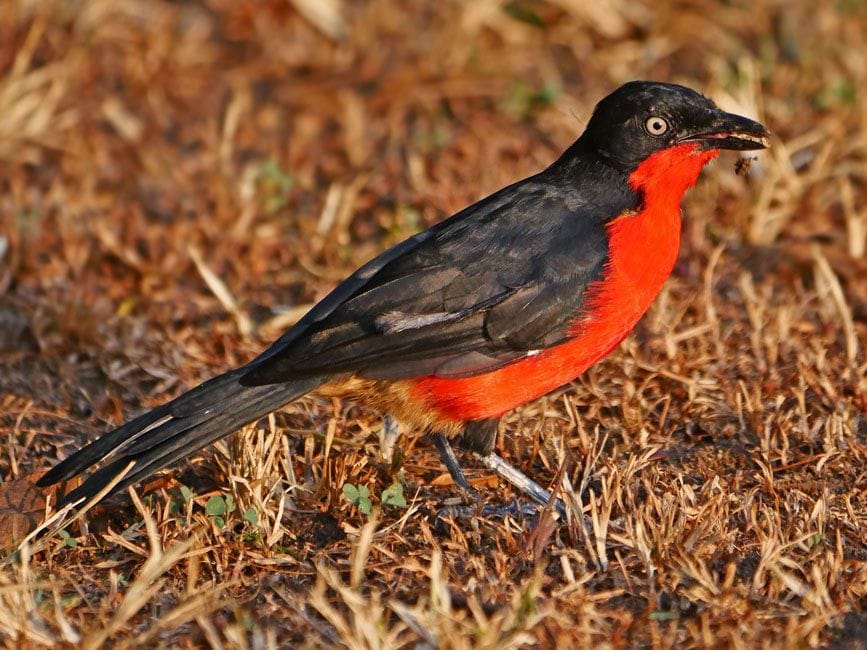
Papyrus Gonolek (stunning red and yellow swamp specialist)
-
Blue-breasted Bee-eater
-
African Jacana (walking on lily pads)
-
Malachite Kingfisher
-
Purple Heron, Goliath Heron, and African Fish Eagle
2. Tropical Rainforests: Albertine Rift Endemics
Key Locations: Bwindi Impenetrable National Park, Kibale Forest National Park, Semuliki National Park.
Bwindi is a haven for birders, with over 350 species including 23 Albertine Rift endemics. The Ruhija sector’s Mubwindi Swamp trail is legendary for species found nowhere else on Earth .
Target Species:
-
African Green Broadbill (Grauer’s Broadbill) – perhaps the ultimate Albertine Rift prize
-
Shelley’s Crimsonwing – one of the world’s rarest birds
-
Handsome Francolin
-
Bar-tailed Trogon
-
Regal Sunbird
-
Rwenzori Turaco
Kibale Forest, known as the primate capital, also hosts over 375 bird species including the highly sought-after Green-breasted Pitta .
3. Savannah and Acacia Woodlands: Open Country Specials
Key Locations: Queen Elizabeth National Park, Murchison Falls National Park, Lake Mburo National Park.
Queen Elizabeth National Park boasts the largest bird checklist of any protected area in East Africa—over 600 species . This diversity stems from its remarkable habitat variety: savannah, wetlands, forests, and the famous Kazinga Channel.
Target Species:
-
African Skimmer (on Kazinga Channel sandbanks)
-
Martial Eagle and African Fish Eagle
-
Black-bellied Bustard
-
Secretary Bird
-
Red-faced Barbet (Lake Mburo specialty)
-
Papyrus Gonolek (Ishasha wetlands)
4. Lowland Tropical Forest: Congo Basin Specialists
Key Location: Semuliki National Park.
Semuliki is a slice of the Congo Basin forest in Uganda, with over 460 species including 35 Guinea-Congo Forest biome birds found nowhere else in East Africa .
Target Species:
-
Nkulengu Rail (secretive and sought-after)
-
Congo Serpent Eagle
-
Yellow-throated Cuckoo
-
Black Dwarf Hornbill and Piping Hornbill
-
Ross’s Turaco
Step 4: Crafting Your Custom Itinerary
Now that you understand permits, timing, and habitats, let’s explore how to structure your safari. These Uganda birding safari itinerary ideas will help you visualize your custom plan .
Option A: The Classic 7-Day Highlights Tour
Perfect for those with one week, focusing on southwestern Uganda’s prime birding spots.
-
Days 1-2: Entebbe & Mabamba Swamp – Shoebill search, Botanical Gardens birding
-
Days 3-4: Lake Mburo National Park – acacia woodland specialists, boat cruise
-
Days 5-7: Bwindi Impenetrable Forest (Ruhija) – Albertine Rift endemics, optional gorilla trekking
Option B: The In-Depth 12-Day Ultimate Birder’s Adventure
For serious birders wanting comprehensive coverage.
-
Days 1-2: Entebbe & Mabamba (Shoebill)
-
Days 3-5: Kibale Forest & Bigodi Wetland – Green-breasted Pitta, Great Blue Turaco
-
Days 6-8: Queen Elizabeth National Park – Kazinga Channel, Maramagambo Forest
-
Days 9-12: Bwindi Impenetrable Forest – multiple sectors for maximum endemic coverage
Option C: The Epic 16-Day Comprehensive Explorer
The grand tour covering almost every Ugandan biome .
-
Days 1-10: Follow the 12-day itinerary, adding Semuliki National Park for Congo Basin species
-
Days 11-16: Fly to Kidepo Valley National Park – remote wilderness, dry-country specials like Karamoja Apalis and Ostrich
Step 5: Budgeting for Your 2026 Safari
Understanding How to Plan a Custom Uganda Birding Safari: Permits, Habitats & Target Species Explained includes realistic budgeting. Here are 2026 cost estimates :
-
Mid-range 7-day safari: $4,500 – $6,500 per person (includes $800 gorilla permit, comfortable lodging, private vehicle, guide, and park fees)
-
Budget 7-day safari: $3,000 – $4,000 per person
-
Luxury fly-in safari: $7,500+ per person
Professional birding tour operators like Rockjumper Birding offer comprehensive 17-day tours for approximately $9,700 – $10,700 (2026 estimated prices), including expert guides and all logistics .
Step 6: Practical Logistics for 2026
Visas and Entry Requirements
Uganda has fully migrated to an E-Visa system. Apply online at least two weeks before arrival. The single-entry tourist visa costs $50 USD, while the East African Tourist Visa ($100 USD) is excellent value if you also plan to visit Kenya or Rwanda .
Health Requirements
-
Yellow Fever vaccination certificate: Mandatory for entry. You will be asked to present your “Yellow Card” at Entebbe Airport .
-
Malaria prophylaxis: Strongly recommended. Consult your travel clinic.
-
Recommended vaccinations: Hepatitis A and B, Typhoid, Polio .
What to Pack
-
Binoculars: Essential. 8×42 or 10×42 recommended .
-
Field Guide: “Birds of East Africa” by Stevenson & Fanshawe
-
Camera with zoom lens: Forest photography requires fast lenses
-
Neutral-colored clothing: Khaki, green, brown
-
Rain gear: Afternoon showers possible year-round
-
Sturdy walking shoes: Forest trails can be steep and muddy
Connectivity
5G is now available in major hubs like Entebbe and Kampala. For safari areas, an eSim from MTN or Airtel offers the best coverage, even in remote regions like Bwindi .
Step 7: Hiring Guides and Supporting Conservation
The single most important factor in your birding success is your guide. Uganda boasts some of Africa’s finest bird guides—local experts who know calls, habitats, and behaviors intimately .
When you hire a local guide, you directly support community conservation. Sites like Bigodi Wetland Sanctuary (near Kibale) are community-managed, meaning your fees fund schools, health centers, and habitat protection .
Conclusion: Your 2026 Birding Adventure Awaits
Planning a custom Uganda birding safari is an exciting journey in itself. By understanding permits, timing, habitats, and target species, you create the foundation for an unforgettable experience. Whether you are standing silently in a dugout canoe watching a Shoebill hunt, hiking misty forest trails in search of the African Green Broadbill, or scanning savannah grasslands for Secretary Birds, Uganda delivers moments that stay with you forever.
Now that you understand How to Plan a Custom Uganda Birding Safari: Permits, Habitats & Target Species Explained, the next step is to start booking. With 2026 permits requiring advance reservations, there is no time like the present.
The Pearl of Africa is waiting. Pack your binoculars, bring your curiosity, and prepare for the birding adventure of a lifetime.