How to Pack Smart for Your Uganda Safari

The anticipation is building. You’ve booked your flights, secured your gorilla trekking permit, and your dream of exploring the Pearl of Africa is becoming a reality. But now, a crucial question arises: what on earth do you pack for a journey that might include a misty rainforest, a sun-drenched savanna, and cool highland evenings all in one week?
Packing for Uganda isn’t about bringing your entire wardrobe; it’s about strategic selection. The secret to comfort and convenience lies not in having more, but in having the right things. This guide is your essential resource on how to pack smart for your Uganda safari, ensuring you’re prepared for every adventure while staying within luggage limits and maintaining your comfort.
The Golden Rule of Safari Packing: Less is More
Before we dive into the checklist, let’s establish a core philosophy. You will likely be moving between lodges and camps, and often via small charter flights that have strict weight limits (typically 15kg/33lbs for soft-sided bags). Packing smart means being a minimalist. Choose versatile, lightweight, and quick-drying items that can be layered.
Part 1: The Clothing Layering System
Dressing in layers is the most effective way to handle Uganda’s varying climates, from chilly early morning game drives to the intense midday sun and cool evenings.
1. The Base Layer: Moisture-Wicking
This layer sits against your skin and its job is to keep you dry.
-
What to Pack: Lightweight t-shirts, long-sleeved tops, and underwear made from synthetic materials (polyester, nylon) or natural fibers like merino wool. Avoid cotton, as it retains moisture and will leave you feeling cold and damp during gorilla treks or after a sweat.
-
Quantity: 4-5 tops should be sufficient.
2. The Mid Layer: Insulating
This layer traps body heat to keep you warm.
-
What to Pack: A fleece jacket or pullover, or a lightweight down jacket. This is your go-to for early mornings and evenings around the campfire.
-
Quantity: One is usually enough.
3. The Outer Layer: Weather Protection
This layer shields you from wind and rain.
-
What to Pack: A high-quality, lightweight, and packable waterproof and windproof jacket. A rain poncho is also a brilliant addition for gorilla trekking, as it can cover you and your backpack completely.
-
Quantity: One jacket is essential.
Colour Scheme: Think “Safari Neutral”
When learning how to pack smart for your Uganda safari, colour choice is critical for both wildlife viewing and comfort.
-
Do Pack: Khaki, beige, olive green, brown, and other muted, earthy tones. These colours blend into the environment and are less likely to attract insects like tsetse flies.
-
Do NOT Pack: Avoid black, navy blue, and dark blue (highly attractive to tsetse flies), as well as bright colours like white, red, and yellow, which can alarm wildlife.
Part 2: Essential Gear & Accessories
This is where the “smart” in how to pack smart for your Uganda safari really comes into play. The right gear can make or break your experience.
-
Footwear:
-
Sturdy Hiking Boots: Well broken-in, waterproof boots with good ankle support are non-negotiable for gorilla and chimp trekking.
-
Comfortable Camp Shoes: Sandals or trainers to wear back at the lodge to let your feet breathe.
-
-
Headwear:
-
A wide-brimmed hat for sun protection or a simple baseball cap.
-
-
Eye Protection:
-
Polarized sunglasses to reduce glare, especially during boat safaris.
-
-
Daypack:
-
A small, comfortable backpack (20-30 litres) for carrying your water, camera, sunscreen, and rain jacket during daily excursions.
-
Part 3: The Critical “Must-Haves” Bag
Create a small pouch with these absolute essentials that you will carry with you at all times.
-
Your Documentation: Passport, visa, yellow fever certificate, travel insurance documents, and gorilla permit copies (keep physical and digital copies).
-
Health Essentials: A strong insect repellent (with DEET), high-SPF sunscreen, hand sanitizer, and your personal prescription medications.
-
Tech Gear: Power bank, universal travel adapter (Uganda uses Type G British-style plugs), and extra memory cards for your camera.
-
Binoculars: A good pair of binoculars (e.g., 8×42) is arguably the most important tool for enhancing your wildlife viewing. Don’t forget them!
Part 4: Packing for the Primate Treks
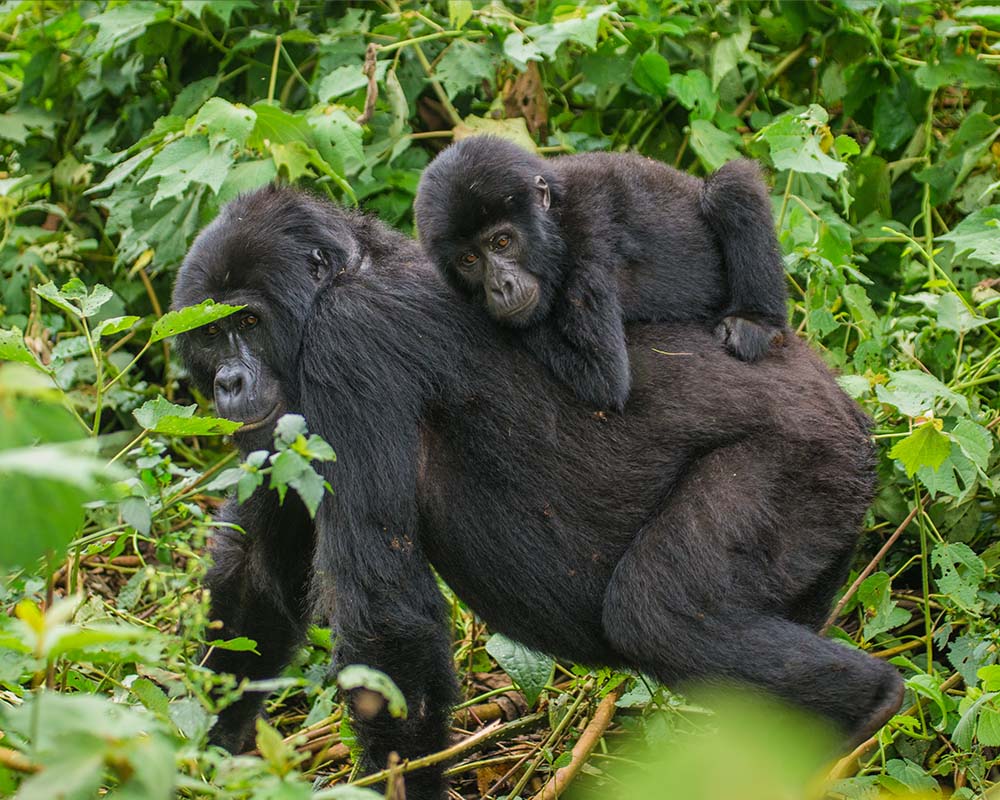
Gorilla and chimpanzee trekking are the pinnacle of many Ugandan adventures and require specific preparation.
-
For the Trek: Wear your hiking boots with quality socks. Pack your rain jacket or poncho in your daypack, regardless of the forecast. The forests are moist and muddy.
-
Protection: Wear gardening gloves (the cheap, lightweight kind). They will protect your hands from stinging nettles and thorny vegetation.
-
Gaiters: Waterproof gaiters are a pro-tip. They strap over your boots and lower trousers, keeping out mud, water, and insects.
Mastering how to pack smart for your Uganda safari for these treks means prioritizing practicality over fashion.
What to Leave at Home
Part of packing smart is knowing what to exclude.
-
Expensive Jewellery: It’s unnecessary and can attract unwanted attention.
-
Single-Use Plastics: Uganda has implemented restrictions on plastic bags. Do not pack them.
-
Heavy Books: Opt for an e-reader or audiobooks instead.
-
Excessive Camouflage Clothing: This is often reserved for military personnel in many African countries and is best avoided.
Final Checklist & Pro-Tip
A final step in our guide on how to pack smart for your Uganda safari is to use a packing checklist. Lay everything out on your bed a few days before you travel. Then, try to remove a third of it. You likely won’t miss it.
By following these strategic steps, you’ll arrive in Uganda feeling prepared, confident, and ready to immerse yourself fully in the unparalleled beauty and wildlife of the Pearl of Africa. Your adventure awaits and now, you’re perfectly packed for it.