How Difficult is Gorilla Trekking? A Realistic Fitness Guide

The mist hangs low over the emerald canopy of Bwindi Impenetrable Forest. Somewhere in the dense undergrowth, a branch snaps. Your heart pounds, not from fear, but from sheer anticipation. You are moments away from one of the most profound wildlife encounters on Earth: coming face-to-face with a family of wild mountain gorillas.
But before that magical hour begins, there is the trek. The question that echoes in the mind of every aspiring visitor to Uganda is, “How Difficult is Gorilla Trekking? A Realistic Fitness Guide.” It’s a valid concern. The word “impenetrable” in the forest’s name isn’t just for show. This guide will strip away the mystery and give you a honest, realistic look at the physical demands, so you can prepare confidently for your adventure of a lifetime.
Let’s Get Real: It’s Not a Walk in the Park
First, let’s set the scene. Gorilla trekking in Uganda typically takes place in Bwindi Impenetrable National Park or Mgahinga Gorilla National Park. The terrain is rugged, steep, and often muddy. There are no paved paths. You will be hiking at altitudes between 2,200m to 2,500m (7,200ft to 8,200ft), which can leave you breathless even without the physical exertion.
The difficulty varies dramatically. Your trek could be a relatively manageable 1-hour hike, or it could be a grueling 4+ hour ascent through thick jungle. You do not get to choose. The park rangers assign you a gorilla family each morning based on your reported fitness level, and you trek to wherever they were last located.
Breaking Down the “Difficulty” – The Four Key Challenges
Understanding the specific challenges is the first step to preparing for them. The question of “How Difficult is Gorilla Trekking? A Realistic Fitness Guide” can be answered by looking at four main areas:
1. The Terrain: The “Impenetrable” Part
Imagine walking up a steep, slippery slope where your feet sink into the mud with every step. You’ll be navigating:
-
Uneven ground: Roots, rocks, and hidden holes are common.
-
Steep inclines and descents: You will be using your hands for balance.
-
Dense vegetation: Rangers clear a path with machetes, but you’ll still be pushing past stinging nettles and thick foliage.
-
Mud: It can be deep, slick, and unavoidable, especially in the rainy seasons.
2. The Altitude: Thin Air is No Joke
At over 2,000 meters, the air is thinner. This means your body has to work harder to get the oxygen it needs. Even very fit individuals can find themselves huffing and puffing on a gentle incline. The key is to pace yourself, pole pole (slowly, slowly), as they say in East Africa.
3. The Duration: A Test of Endurance
While the magical hour with the gorillas is fixed, the journey to find them is not. A “short” trek might be 2-3 hours round trip. A “long” one can be 6-8 hours. This isn’t a sprint; it’s a test of stamina. You need the endurance to keep going, even when you’re tired, and still have the energy to enjoy the reward.
4. The Elements: Sun, Rain, and Humidity
The weather in the rainforest is unpredictable. You can start in brilliant sunshine and be in a downpour 20 minutes later. The humidity can be draining, and the sun at high altitude is intense. Being prepared for all conditions is part of the mental and physical battle.
Your Personal Fitness Checklist: Are You Ready?
You don’t need to be an Olympic athlete, but you do need a good base level of fitness. Ask yourself these questions:
-
Can I comfortably hike for 3-4 hours with a small backpack?
-
Can I climb several flights of stairs without being completely out of breath?
-
Do I have decent core and leg strength for balance on uneven ground?
-
Can I walk on a steep incline for 30-45 minutes without stopping?
If you answered “yes” to these, you are likely in a good position. If not, don’t worry! You have time to prepare.
Your Pre-Trek Training Plan: Get Uganda-Ready
Start training at least 2-3 months before your trip. The goal is to build cardiovascular endurance and leg strength.
-
Cardio is King: Aim for 3-4 sessions per week. This could be:
-
Brisk walking or hiking on hilly terrain (the best simulation).
-
Using the stair-climber at the gym.
-
Cycling or jogging.
-
-
Strength for the Slopes: Focus on your legs and core.
-
Squats and Lunges: Build quads and glutes for those uphill climbs.
-
Calf Raises: Help with stability.
-
Planks: A strong core helps with overall balance and prevents back pain.
-
-
Practice with Gear: Break in your hiking boots! Wear the boots you plan to use on your training hikes to avoid blisters in Uganda.
On Trek Day: Your Strategy for Success
Your preparation pays off here. Follow these tips for a successful trek:
-
Be Honest About Your Fitness: During the briefing, be realistic when the rangers ask about your fitness level. It ensures you are placed with a gorilla family whose location matches your ability.
-
Hire a Porter: This is our #1 recommendation. For about $20, a local porter will carry your daypack and, more importantly, offer a literal helping hand up and down the difficult sections. It supports the local community and dramatically improves your experience.
-
Pace Yourself: There’s no prize for being first. Go at a speed that allows you to breathe comfortably.
-
Stay Hydrated and Snack: Drink water regularly and have energy-boosting snacks like nuts or granola bars.
-
Listen to Your Body: It’s okay to ask for a short break.
The Reward is Worth Every Step
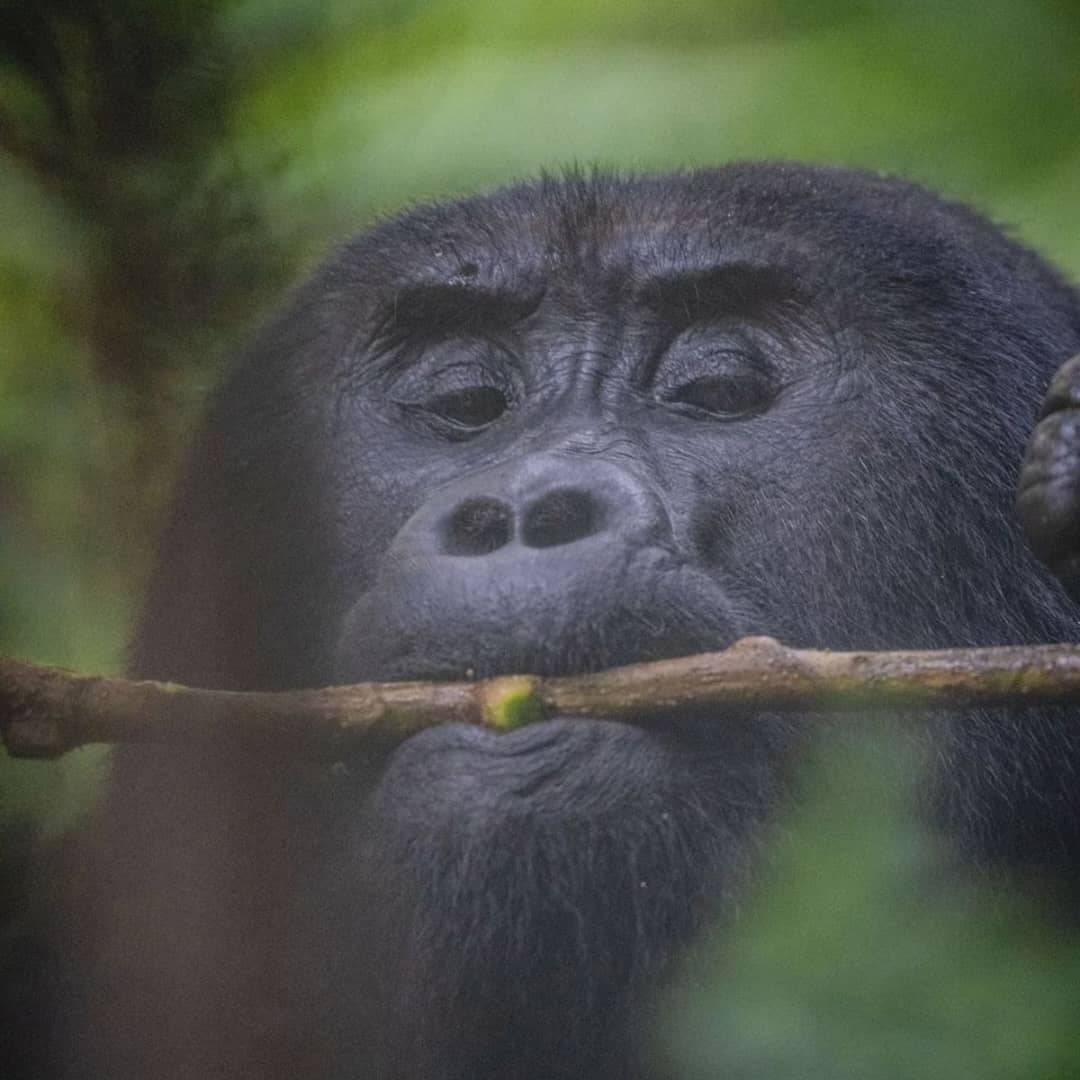
When you finally lock eyes with a majestic silverback or watch a baby gorilla playfully tumble through the vines, every aching muscle, every labored breath, and every muddy step will instantly be forgotten. The experience is that powerful.
So, to finally answer “How Difficult is Gorilla Trekking? A Realistic Fitness Guide,” we can say this: It is challenging, but it is achievable for most people with determination and the right preparation. It’s a physical journey that leads to one of the most incredible spiritual and emotional rewards travel can offer.
Start training, pack your sense of adventure, and get ready for an encounter that will stay with you forever.
Ready to book your Ugandan adventure? Contact a reputable tour operator today and begin the journey of a lifetime!