From Shoebill to Green Broadbill: Ultimate Uganda Birding Safari Guide 2026

There is a moment that finds every birder eventually. You have chased the usual suspects. You have stood in hides across Europe, walked cloud forests in South America, baked on Asian plains. Your life list is respectable. Your binoculars are well worn. And yet, something is missing.
That something lives in Uganda.
It lives in the prehistoric stare of a Shoebill emerging from papyrus mist. It lives in the emerald flash of a Green Broadbill disappearing into bamboo. It lives in the space between those two extremes—between the dinosaur and the jewel, the swamp and the montane forest, the iconic and the elusive.
This is precisely why From Shoebill to Green Broadbill: Ultimate Uganda Birding Safari Guide 2026 exists. Not as a mere checklist. Not as another destination ranking. But as a roadmap to the single most rewarding birding journey Africa offers.
Let us begin.
Part One: The Two Icons
Every great birding destination has its signature species. Costa Rica has the Resplendent Quetzal. Brazil has the Hyacinth Macaw. Australia has the Lyrebird.
Uganda has two.
The Shoebill: Africa’s Living Fossil
No photograph prepares you.
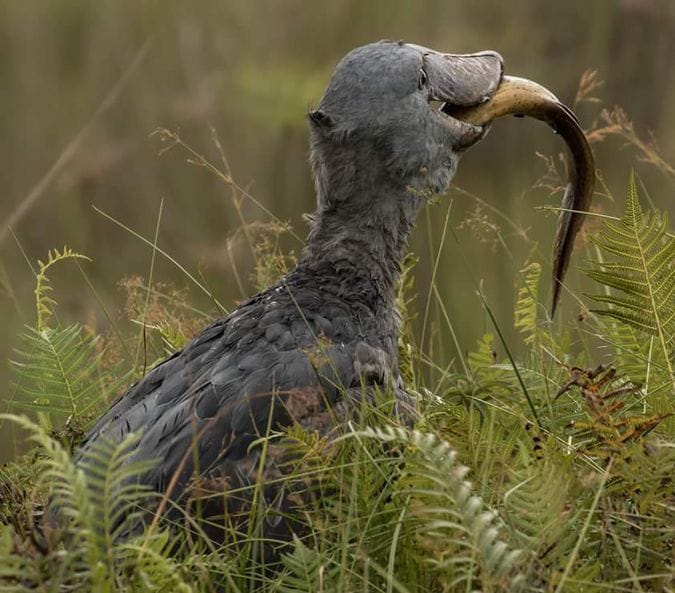
You have seen the images a hundred times the immense clog-shaped bill, the piercing yellow eye, the statuesque stillness. But when the canoe rounds that papyrus corner and you find yourself face to face with Balaeniceps rex, something shifts. This is not a bird. This is a time traveller.
Standing up to four feet tall with an eight-foot wingspan, the Shoebill moves so slowly it appears to be editing reality frame by frame. It hunts lungfish with patience that borders on meditation. It regards humans not with fear, but with ancient indifference.
Where to find it in 2026:
| Location | Best Season | Success Rate | Experience |
|---|---|---|---|
| Mabamba Swamp | Year-round | 90%+ | Canoe safari, 45 mins from Entebbe |
| Murchison Falls Nile Delta | June–August | 70% | Boat cruise, combines with savanna birding |
| Lake Albert wetlands | December–February | 60% | Remote, fewer visitors |
For 90% of visitors, Mabamba delivers. For the remaining 10%, it is usually because they did not hire the right guide. More on that later.
The Shoebill is the opening chapter of From Shoebill to Green Broadbill: Ultimate Uganda Birding Safari Guide 2026. It is the bird that brings you here. But it is not the bird that sends you home changed.
The African Green Broadbill: The Holy Grail
If the Shoebill is Uganda’s celebrity, the African Green Broadbill is its secret.
Restricted to a handful of high-altitude forests in the Albertine Rift, this tiny, luminous bird is the most sought-after endemic in East Africa. It is not rare because it is shy—though it is. It is rare because its habitat requirements are impossibly specific: bamboo thickets between 7,500 and 8,500 feet, with just the right moisture, just the right light, just the right insect density.
For decades, birders considered it near-mythical. Then the Ruhija sector of Bwindi Impenetrable Forest opened dedicated trails, and suddenly, the myth became marginally accessible.
The 2026 Advantage:
New boardwalks and cleared understory in the Mubwindi Swamp trail network have improved viewing opportunities significantly. Local guides now track individual territories with remarkable accuracy. Success rates remain modest—perhaps 40% on a single morning—but for those who succeed, the memory lasts a lifetime.
Why it matters:
The African Green Broadbill represents everything challenging and beautiful about Ugandan birding. It demands early mornings, steep climbs, patient silence, and expert guidance. It offers, in return, a fleeting glimpse of something found nowhere else on Earth.
This is why From Shoebill to Green Broadbill: Ultimate Uganda Birding Safari Guide 2026 is structured around these two poles. Between them lies everything else Uganda offers—and that everything else is astonishing.
Part Two: The Supporting Cast
Uganda’s avian cast list exceeds 1,090 species. No single article can do them justice. But certain performances demand recognition.
The Albertine Rift Endemics
The Albertine Rift is Africa’s Galápagos—a biodiversity hotspot where isolation and altitude have produced an extraordinary array of restricted-range species.
The Non-Negotiables:
| Species | Location | Difficulty | Notes |
|---|---|---|---|
| Regal Sunbird | Bwindi, Mgahinga | Moderate | Iridescent green head, crimson breast |
| Rwenzori Turaco | Bwindi, Rwenzori | Easy | Prehistoric, noisy, colourful |
| Grauer’s Swamp Warbler | Bwindi (Mubwindi) | Hard | Skulking, endangered, vocal |
| Shelley’s Crimsonwing | Bwindi (Ruhija) | Extreme | Cryptic, rare, deeply rewarding |
| Rwenzori Batis | Rwenzori Mountains | Moderate | Elegant, restricted, often overlooked |
A well-planned Bwindi itinerary should deliver 20+ Albertine endemics. This is not optimism; this is expectation.
The Savannah Specialists
Uganda’s northern and eastern parks offer something entirely different.
Murchison Falls National Park:
The Nile boat cruise is rightly famous for Shoebill and Pel’s Fishing Owl, but do not neglect the woodlands. Northern Red Bishop, Chestnut-crowned Sparrow-Weaver, and the exquisite Red-throated Bee-eater are all present. The park’s acacia savanna also supports Denham’s Bustard and Abyssinian Ground Hornbill—both scarce elsewhere in East Africa.
Kidepo Valley National Park:
Uganda’s most remote park is also its most dramatic. Here, the birdlife takes on a distinctly northeastern flavour. Ostrich stride the plains. Pygmy Falcon perch atop date palms. Egyptian Vultures patrol the Karamoja escarpment. Kidepo is not an add-on; it is a destination in itself.
The Forest Jewels
Kibale National Park:
Most visitors come for chimpanzees. Birders stay for the Green-breasted Pitta.
This legendary skulker is present, responsive to playback, and—on a good day—visible. The park also hosts African Grey Parrot, Black Bee-eater, Yellow-spotted Barbet, and the astonishing Blue-breasted Kingfisher.
A genuine outlier. This is West African rainforest grafted onto East African soil. The birdlist reads like a Cameroon field guide: Congo Serpent Eagle, Nkulengu Rail, Lyre-tailed Honeyguide, and no fewer than four species of Malimbe. For serious listers, Semuliki is essential.
Budongo Forest:
Home to the elusive Puvel’s Illadopsis and the charismatic White-thighed Hornbill. The Royal Mile—a former colonial cart track—remains one of Africa’s great forest birding walks.
Part Three: The 2026 Advantage
Why is this the year to undertake From Shoebill to Green Broadbill: Ultimate Uganda Birding Safari Guide 2026?
Infrastructure Improvements
The roads connecting Entebbe to Bwindi, Kibale to Murchison, and Kampala to Kidepo have seen significant investment. Driving times have decreased. Passenger comfort has increased. Domestic flight options now include Bwindi-Murchison connections, saving two full days of driving.
Conservation Momentum
Early 2026 marked the successful reintroduction of southern white rhinos to Ajai Wildlife Reserve—the first time in 45 years these animals have roamed West Nile. While not directly avian, this signals something crucial: Uganda is reinvesting in its protected areas. Healthy ecosystems support healthy bird populations.
Guiding Excellence
Uganda’s bird guides are the finest in Africa.
This is not patriotic hyperbole; it is international consensus. They identify species by call in dense rainforest. They track individual Shoebill territories across vast swamps. They know where the broadbills forage, where the pittas skulk, and when the nightjars display.
In 2026, the Uganda Bird Guides Club continues to raise standards through certification programs and youth mentorship. Your guide is not merely an employee; they are a professional naturalist with decades of accumulated knowledge.
Essential advice: Request a specialist bird guide. Safari guides find lions. Bird guides find Wahlberg’s Honeybird. They are not interchangeable.
Part Four: The Complete Itinerary
From Shoebill to Green Broadbill: Ultimate Uganda Birding Safari Guide 2026 demands a structure that respects both icons while maximizing overall species count.
The Premier Circuit (16 Days)
| Days | Location | Primary Targets | Secondary Targets |
|---|---|---|---|
| 1–2 | Entebbe | Shoebill (Mabamba) | Papyrus Gonolek, Blue-headed Coucal, Malachite Kingfisher |
| 3–4 | Mabira Forest | Forest specialists | Nahan’s Francolin, Yellow-rumped Tinkerbird |
| 5–7 | Kibale Forest | Green-breasted Pitta | African Grey Parrot, Black Bee-eater, Chocolate-backed Kingfisher |
| 8–9 | Queen Elizabeth NP | Savanna species | Martial Eagle, African Skimmer, Papyrus Canary |
| 10–13 | Bwindi Impenetrable Forest | African Green Broadbill, Albertine endemics | Shelley’s Crimsonwing, Regal Sunbird, Rwenzori Turaco |
| 14–15 | Murchison Falls NP | Shoebill (Delta), Pel’s Fishing Owl | Standard-winged Nightjar, Denham’s Bustard |
| 16 | Departure | Final additions | Entebbe Botanical Gardens |
Essential Gear for 2026
Optics:
-
8×42 binoculars (wide field of view essential for forest birding)
-
10×42 binoculars (alternative for open habitats)
-
Spotting scope (optional, recommended for Murchison and Kidepo)
Fieldcraft:
-
Birds of East Africa (Stevenson & Fanshawe) or digital equivalent
-
Merlin Bird App with East Africa pack
-
Portable recorder for call playback and documentation
Comfort:
-
Waterproof hiking boots (broken in)
-
Neutral-coloured clothing (green, brown, khaki)
-
Lightweight rain jacket
-
Headlamp with red light setting
-
Personal first aid kit including antihistamines and antimalarials
Part Five: The Ethical Birder’s Code
Uganda’s birds face genuine threats: wetland drainage, forest fragmentation, bushmeat hunting. Your visit is not neutral. It is either part of the solution or part of the problem.
To ensure your From Shoebill to Green Broadbill: Ultimate Uganda Birding Safari Guide 2026 experience contributes positively:
-
Hire local guides. Community-based tourism directly incentivizes habitat protection.
-
Use playback responsibly. Limited, judicious playback is acceptable; continuous harassment is not. Know the difference.
-
Stay on trails. Forest understory is fragile. Boardwalks exist for a reason.
-
Report illegal activity. If you witness snaring, logging, or poaching, inform park authorities immediately.
-
Tip generously. Bird guiding is skilled labour. Compensation reflects respect.
Part Six: Beyond the Birds
Here is the secret that returning birders rarely articulate:
Uganda is not merely a birding destination. It is a complete African safari experience folded into a single journey.
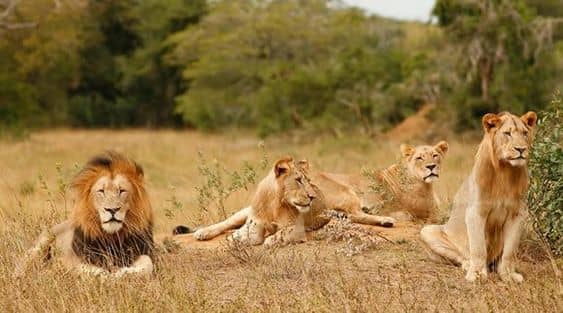
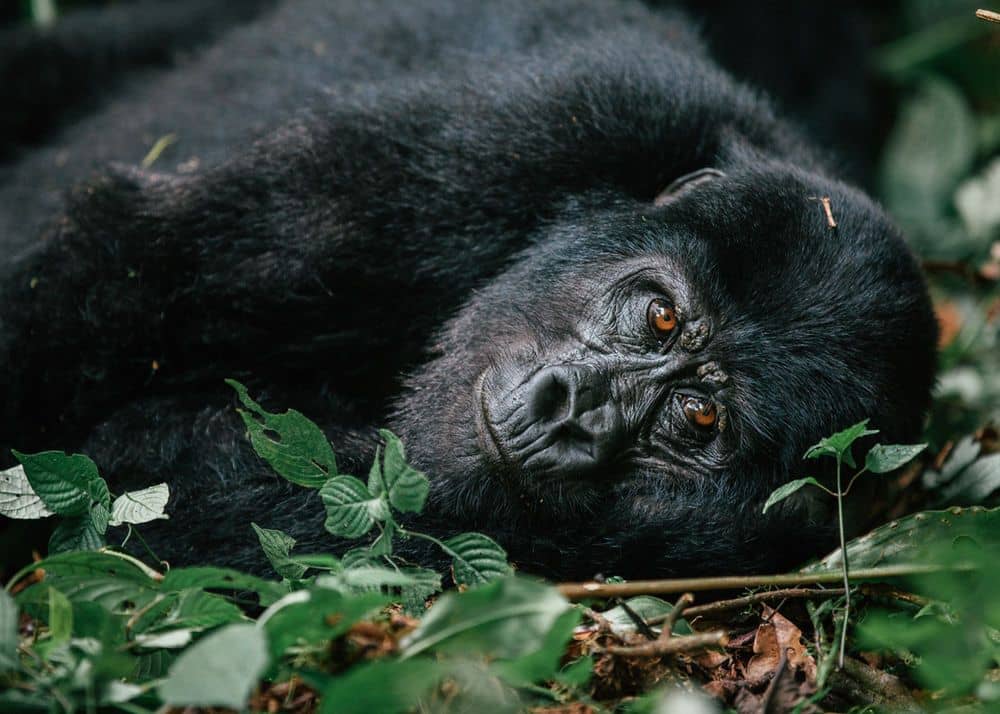
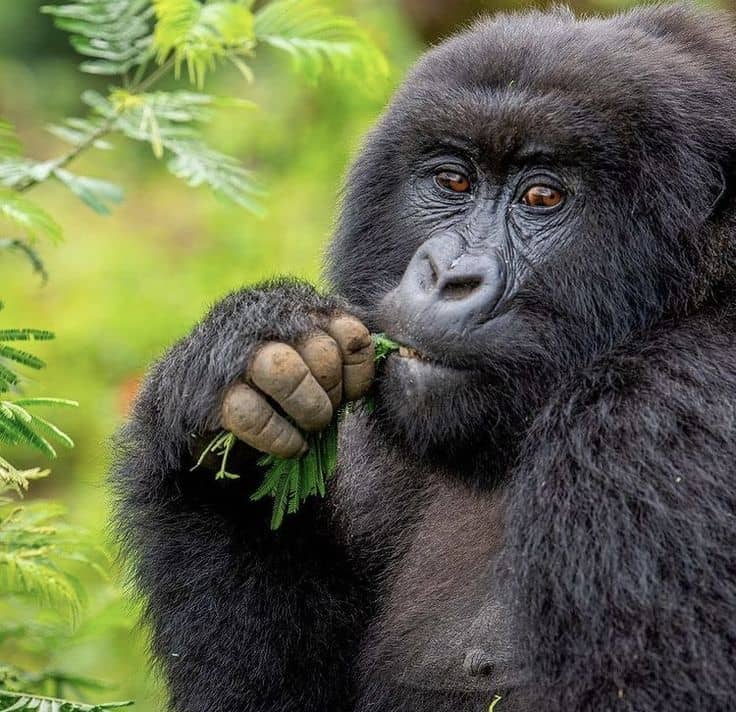
You will pursue Shoebill at dawn and chimpanzees at midday. You will scan for Green Broadbill in the morning and track mountain gorillas in the afternoon. You will watch tree-climbing lions on Ishasha’s fig trees and elephants along the Kazinga Channel. You will eat fresh mangoes overlooking the equator and sleep under mosquito nets to the sound of tropical rainforest.
From Shoebill to Green Broadbill: Ultimate Uganda Birding Safari Guide 2026 is not about choosing between birds and mammals. It is about recognizing that, in Uganda, you do not have to choose.
Conclusion: The Lifers Are Waiting
The Shoebill stands in Mabamba Swamp as it has stood for millennia, patient, ancient, indifferent to your arrival. The Green Broadbill perches in Bwindi’s bamboo, luminous and fleeting, waiting for those willing to climb.
Between them lies everything else: 1,090 species, 24 Albertine endemics, forests and savannas, wetlands and mountains, gorillas and chimpanzees, lions and elephants, and the warmest welcome in East Africa.
From Shoebill to Green Broadbill: Ultimate Uganda Birding Safari Guide 2026 is not merely a title. It is an invitation. An itinerary. A promise.
The birds are waiting. Your 2026 life list is waiting.
The only question is whether you are ready to answer.
Plan Your 2026 Safari:
Contact certified bird guides through the Uganda Bird Guides Club. Request specialist ornithological itineraries. Book accommodations well in advance, 2026 is expected to be Uganda’s busiest birding year to date.
Have you experienced Uganda’s birding magic? Share your most memorable sighting in the comments below.