From Shoebill to Green-breasted Pitta: A Photographer’s Guide to Birding in Uganda
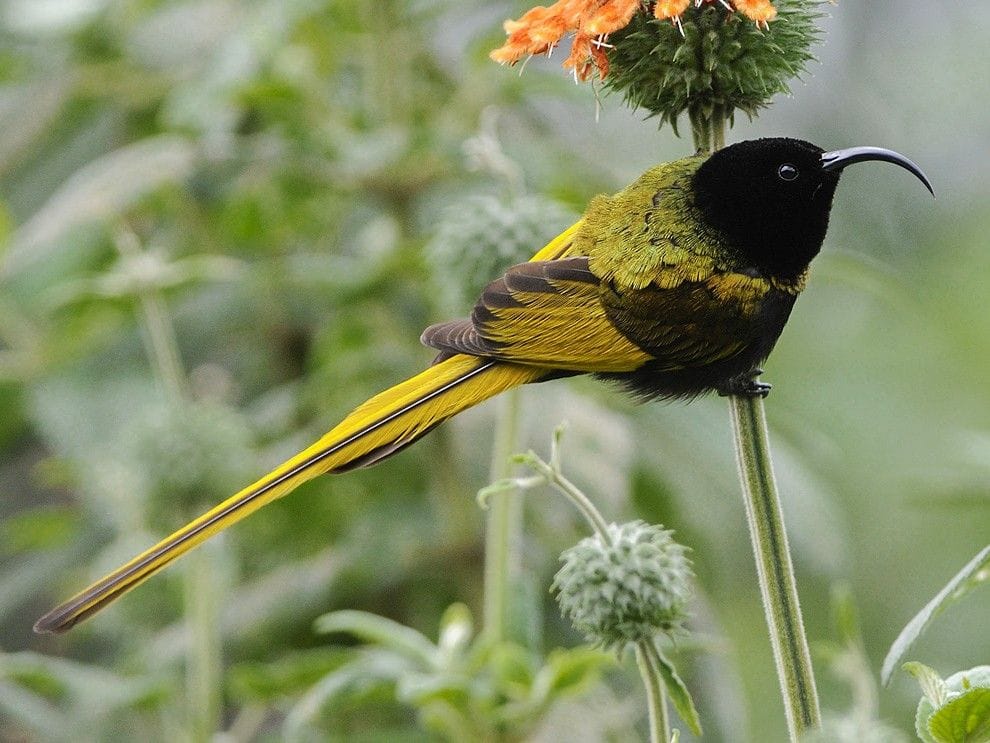
There is a moment every wildlife photographer dreams of—the instant when a legendary bird steps into the frame, the light is perfect, and your finger hovers over the shutter. In Uganda, those moments happen with astonishing frequency. This is a country where you can photograph a five-foot-tall dinosaur relic gliding through a papyrus swamp in the morning and a jewel-like forest spirit emerging from the shadows in the afternoon. This guide is exactly what the title promises: From Shoebill to Green-breasted Pitta: A Photographer’s Guide to Birding in Uganda. Whether you are a seasoned professional or an enthusiastic amateur, this resource will help you plan the ultimate avian photography expedition in 2026.
With over 1,090 bird species crammed into a country the size of Great Britain, Uganda offers photographers an unparalleled diversity of subjects and settings . From the misty montane forests of the Albertine Rift to the vast savannahs of the Nile, every habitat presents unique creative opportunities. Let’s embark on a journey across this equatorial paradise, exploring how to capture its feathered treasures at their very best.
Why Uganda is a Photographer’s Paradise
Before we dive into locations and techniques, it is worth understanding why Uganda deserves a prime spot on every bird photographer’s bucket list. The country sits at a remarkable biogeographical crossroads where East African savannah meets Central African rainforest . This convergence creates habitats that host an astonishing array of species, including 24 Albertine Rift endemics found nowhere else on Earth .
From Shoebill to Green-breasted Pitta: A Photographer’s Guide to Birding in Uganda is not just a catchy title—it represents the two extremes of avian photography. The Shoebill is a study in patience and grandeur, a prehistoric giant that stands motionless for hours. The Green-breasted Pitta is a flash of iridescence in the dark understory, a challenge in low-light mastery. Mastering both prepares you for everything in between.
Essential Gear for Uganda’s Diverse Habitats
Bird photography in Uganda demands versatility. You will move from open wetlands with abundant light to dense forests where every photon counts. Here is what the experts recommend bringing :
Camera Body: A DSLR or mirrorless camera with fast autofocus and excellent high-ISO performance is essential. Forest birding often requires pushing ISO higher than you would prefer.
Lenses:
-
100-400mm or 200-600mm telephoto zoom: This is your workhorse, ideal for everything from waterbirds to canopy dwellers.
-
Fast prime lens (300mm f/2.8 or 400mm f/2.8): If you own one, bring it for forest photography where every stop of light matters.
-
Wide-angle lens: Do not forget to capture the landscapes—the misty Bwindi forest, the thunderous Murchison Falls, the peaceful Kazinga Channel.
Support: A sturdy tripod or monopod is invaluable for long sessions, especially when using heavy glass .
Extras: Bring multiple batteries (cold mornings drain them fast), ample memory cards, and a rain cover for your gear. Uganda’s weather can be unpredictable, particularly in forest zones .
The Iconic Species and Where to Find Them
1. The Shoebill: Uganda’s Prehistoric Superstar
No bird inspires more obsession than the Shoebill. Standing up to five feet tall with a bill shaped like a Dutch clog, this living fossil is the centerpiece of any From Shoebill to Green-breasted Pitta: A Photographer’s Guide to Birding in Uganda journey .
Prime Locations for 2026:
Mabamba Bay Wetland: Located just an hour from Entebbe, this is the most accessible and reliable Shoebill site . You explore the papyrus channels by dugout canoe, which allows for slow, silent approach. Early morning is best, when Shoebills are actively hunting lungfish in the shallows .
Murchison Falls National Park (Nile Delta): For a wilder experience, take a boat safari to the delta where the Nile meets Lake Albert. The setting is more dramatic, with the river stretching to the horizon .
Photography Tips:
-
Use a fast shutter speed to freeze any movement—Shoebills may strike suddenly.
-
Position your canoe so the sun is behind you for optimal lighting.
-
Be patient. These birds stand motionless for long periods, but that also gives you time to compose the perfect shot.
2. The Green-breasted Pitta: The Forest Jewel
If the Shoebill represents patience, the Green-breasted Pitta represents luck and quick reflexes. This secretive, rainbow-colored bird is the holy grail of Uganda’s forest birding . It skulks in the dark understory, appearing briefly on trails before vanishing like a ghost.
Prime Location for 2026:
Kibale Forest National Park: Known as the “Primate Capital,” Kibale is also the most reliable place to find the Green-breasted Pitta . The park’s trail system, particularly around Kanyanchu, offers the best chances.
Photography Tips :
-
Be ready: Keep your camera settings pre-adjusted for low light (wide aperture, high ISO).
-
Listen for guides: Local bird guides know the pitta’s favorite spots and can alert you when one is near.
-
Use burst mode: When the pitta appears, fire off a rapid sequence to ensure at least one sharp image.
-
High ISO is acceptable: A slightly grainy photo of a pitta is infinitely better than no photo at all.
3. The Albertine Rift Endemics: Bwindi’s Treasures
Bwindi Impenetrable National Park is famous for gorillas, but for photographers, it is a goldmine of endemic species found nowhere else . The park hosts 23 Albertine Rift endemics, including the African Green Broadbill, Shelley’s Crimsonwing, Regal Sunbird, and Rwenzori Turaco .
Prime Areas: The Ruhija and Buhoma sectors offer excellent trail networks. The Mubwindi Swamp trail in Ruhija is particularly legendary for endemics .
Photography Tips:
-
Embrace the mist: Bwindi’s atmospheric fog can create ethereal images. Use it creatively.
-
Focus on eye contact: In dark forests, a sharp eye draws the viewer in.
-
Shoot at eye level: Crouch or lie down if necessary to photograph birds at their own height.
4. Savanna and Waterbird Spectacles
Queen Elizabeth National Park boasts over 600 bird species, making it one of Africa’s richest birding destinations . The Kazinga Channel boat cruise is non-negotiable—it brings you within meters of African Fish Eagles, Pink-backed Pelicans, and hundreds of other waterbirds .
Murchison Falls National Park offers dramatic backdrops for species like the Abyssinian Ground Hornbill, Goliath Heron, and the seasonal Standard-winged Nightjar .
Photography Tips:
-
Golden hour is king: Early morning and late afternoon light transforms savannah scenes.
-
Burst mode for action: Fish Eagles snatching prey from the water make for spectacular sequences.
-
Boat safaris are hides on water: Use them to get low-angle shots you could never achieve from land.
Mastering the Technical Challenges
Low-Light Forest Photography
Forest birding is the ultimate test of photographic skill. The canopy blocks light, subjects are often distant, and movement is constant. Here is how to succeed :
-
Aperture Priority with Auto ISO: Set your aperture wide open (f/4 or f/2.8 if possible) and let the camera manage ISO.
-
Shutter Speed Minimum: Keep shutter speed at least 1/250s for stationary birds, faster for active ones.
-
Stabilization: Image stabilization in your lens or body is invaluable. Use a monopod for heavy lenses.
Wetland and Open Habitat Photography
In open areas, your challenges shift :
-
Midday light: When the sun is high, look for birds in dappled shade or switch to photographing behavior rather than portraits.
-
Reflections: Wetlands offer mirror-like surfaces. Include reflections in your compositions for artistic impact.
Best Time for Bird Photography in Uganda 2026
Uganda is a year-round destination, but certain seasons favor photographers :
Dry Seasons (December–February and June–August):
-
Easier access to trails
-
Less foliage, better visibility in forests
-
Birds concentrate around water sources
Wet Seasons (March–May and October–November):
-
Birds are in breeding plumage
-
Migratory species present (November–April)
-
Lush, green backdrops
-
Fewer tourists
For the ultimate From Shoebill to Green-breasted Pitta: A Photographer’s Guide to Birding in Uganda experience, consider the June–August window for optimal conditions across all habitats.
Crafting Your 2026 Photography Itinerary
Here is a sample 14-day itinerary designed for photographers :
Days 1-2: Entebbe & Mabamba Bay
Arrive, acclimate, and head straight to Mabamba for Shoebill photography. The proximity to the airport makes this perfect for arrival or departure days.
Days 3-5: Kibale Forest National Park
Focus on the Green-breasted Pitta and other forest species. Combine with chimpanzee tracking for variety.
Days 6-8: Queen Elizabeth National Park
Photograph savanna and waterbirds. The Kazinga Channel boat cruise is essential.
Days 9-12: Bwindi Impenetrable National Park
Dedicate multiple days to Albertine Rift endemics. If permits allow, add gorilla trekking for a completely different photographic experience.
Days 13-14: Lake Mburo National Park & Return
Lake Mburo offers walking safaris—a rare opportunity to photograph birds at eye level in acacia woodland. Then return to Entebbe.
Ethical Photography: Conservation Through the Lens
Bird photography in Uganda carries responsibility. Follow these ethical guidelines :
-
Never bait or disturb nesting birds.
-
Avoid flash photography in dark forests, which can stress birds.
-
Stay on designated trails to protect habitat.
-
Support local guides and communities—your visit directly contributes to conservation.
The Images Await
Uganda offers something profoundly rare in bird photography: genuine adventure combined with world-class subjects. Whether you are stalking the Shoebill through misty swamps or waiting patiently for the Green-breasted Pitta to grace a forest trail, every moment is infused with the magic of wild Africa.
From Shoebill to Green-breasted Pitta: A Photographer’s Guide to Birding in Uganda is more than a title—it is an invitation. An invitation to challenge your skills, to fill your memory cards with once-in-a-lifetime images, and to join the ranks of photographers who have discovered that Uganda is one of the planet’s greatest avian stages.
Start planning your 2026 expedition now. The birds are waiting.