Elephants in Uganda: Where to See the Largest Herds
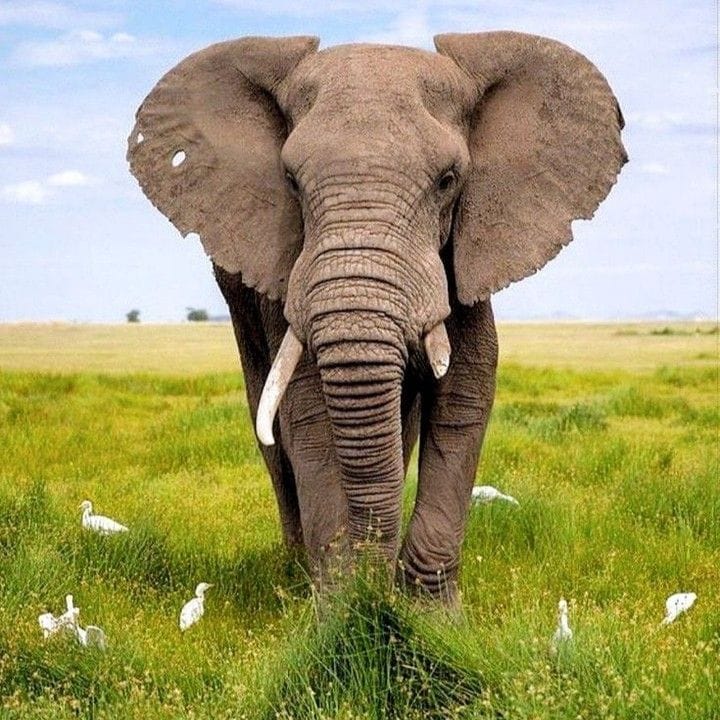
There is something truly humbling about standing just meters away from an African elephant. These gentle giants, with their wrinkled skin, flapping ears, and intelligent eyes, are the undisputed kings of the savannah. As the largest land mammals on Earth, they shape the landscapes they inhabit—knocking down trees, creating watering holes, and dispersing seeds as they roam .
Uganda, the “Pearl of Africa,” is blessed with thriving elephant populations across its diverse national parks. Unlike the crowded safari circuits of some neighboring countries, Uganda offers intimate and authentic encounters with these magnificent creatures. But with several parks to choose from, where should you go for the best sightings?
That is precisely the question we will answer in this guide. Whether you are a first-time safari-goer or a seasoned wildlife enthusiast, understanding Elephants in Uganda: Where to See the Largest Herds is essential for planning the trip of a lifetime. From the thunderous Nile to remote valley wilderness, let us take you on a journey to discover Uganda’s most spectacular elephant destinations.
A Conservation Success Story
Before we dive into the specifics of Elephants in Uganda: Where to See the Largest Herds, it is worth celebrating just how far the country has come. In the 1960s, Murchison Falls National Park alone was home to more than 16,000 elephants . Decades of poaching decimated these numbers, dropping them to fewer than 500 individuals at their lowest point .
Thanks to dedicated conservation efforts by the Uganda Wildlife Authority and organizations like the Uganda Conservation Foundation, the story has changed dramatically. Today, Murchison Falls boasts over 3,000 elephants, representing one of Africa’s most remarkable conservation recoveries . This success makes understanding Elephants in Uganda: Where to See the Largest Herds not just a travel question, but a chance to witness conservation in action.
Murchison Falls National Park: The Elephant Stronghold
Estimated Population: 1,200–3,000+ elephants
If you want to see elephants in Uganda, start here. Murchison Falls is Uganda’s largest national park, and it hosts the country’s biggest elephant population . The park’s defining feature—the Victoria Nile—creates the perfect habitat for these giants, particularly during the dry seasons when water becomes scarce elsewhere.
The Experience:
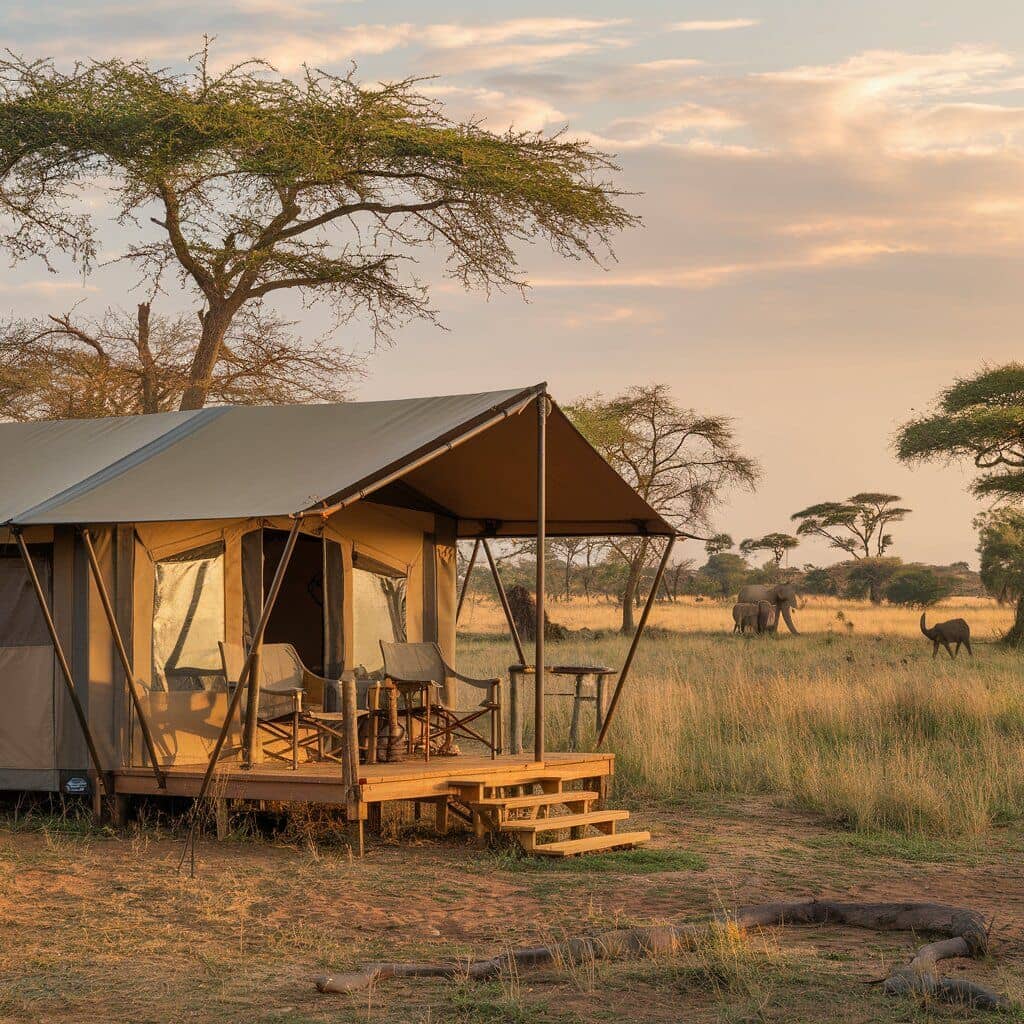
Picture this: you are on a game drive along the northern bank, and ahead, a family of elephants emerges from the acacia woodland. Matriarchs lead the way, while youngsters playfully chase each other, kicking up dust in the golden light. This is Murchison Falls at its finest.
But the truly magical perspective comes from the water. A boat cruise to the base of Murchison Falls offers unparalleled views of elephants coming down to the river to drink and bathe . Watching a bull elephant spray himself with Nile water while hippos grunt nearby and crocodiles bask on the banks—this is the stuff safari dreams are made of.
Pro Tip: The dry seasons (December–February and June–September) concentrate elephants near the river, making them far easier to spot .
Queen Elizabeth National Park: Diversity in Abundance
Estimated Population: Over 2,500 elephants
Queen Elizabeth National Park is Uganda’s most visited park, and for good reason. With over 2,500 elephants roaming its diverse landscapes, it offers consistent and spectacular sightings .
The Experience:
The Kazinga Channel, a 40-kilometer waterway connecting Lakes George and Edward, is the star attraction. During a boat safari, you will drift past elephants standing belly-deep in the water, reaching up with their trunks to grasp overhanging vegetation . The channel’s banks are a gathering point for wildlife, and elephants are almost guaranteed.
On land, the Kasenyi Plains offer excellent game drives where elephants mingle with Uganda kobs, buffaloes, and the park’s famous tree-climbing lions . The Ishasha sector in the south is quieter but equally rewarding, with elephants dotting the fig tree-studded landscape.
Pro Tip: Combine morning game drives on the Kasenyi Plains with an afternoon boat cruise on the Kazinga Channel for the complete elephant experience.
Kidepo Valley National Park: The Remote Wilderness
Estimated Population: Significant herds, though exact numbers vary
For those seeking solitude and exclusivity, Kidepo Valley delivers. Tucked away in Uganda’s remote northeastern corner, this park offers a raw and untouched safari experience. When researching Elephants in Uganda: Where to See the Largest Herds, adventurous travelers will find Kidepo irresistible.
The Experience:
Kidepo’s elephants are different. They navigate a vast landscape that stretches across Uganda’s borders into South Sudan and Kenya . During the dry season, they congregate in the Narus Valley, where permanent water attracts enormous herds .
The scenery alone is worth the journey. Imagine elephants moving across golden savannah with the blue mountains of the horizon as a backdrop. You might drive for hours without seeing another vehicle, just you, the elephants, and the wild.
Recent research has revealed fascinating insights about these elephants. They range far beyond park boundaries, moving through community lands and even crossing into neighboring countries . Some individuals spend more time outside protected areas than inside them, highlighting the importance of community conservation efforts.
Pro Tip: Visit during the dry season (September–March) when elephants concentrate around the Narus Valley’s permanent water .
Kibale and Semuliki: The Forest Elephants
Estimated Population: Smaller, elusive populations
Not all elephants in Uganda are the savannah-dwelling bush elephants. In the rainforests of Kibale and Semuliki, you might encounter the more elusive forest elephants, a smaller subspecies adapted to life in dense vegetation .
The Experience:
These elephants are shy and harder to spot than their savannah cousins. Sightings are rare and often brief, but the setting makes it worthwhile. Trekking through ancient rainforest, hearing the snap of branches, and catching a glimpse of a forest elephant disappearing into the green, this is for the true wildlife enthusiast.
While Kibale is famous for chimpanzees, keeping your eyes open during forest walks might reward you with an elephant encounter few travelers experience .
When to Go: Timing Your Elephant Safari
Uganda offers year-round wildlife viewing, but timing matters when your goal is elephants.
Dry Seasons (June–September & December–February): These are the prime months for elephant viewing . Vegetation thins out, and animals congregate around permanent water sources like the Nile River and Kazinga Channel. Elephants are easier to spot, and roads are more accessible .
Wet Seasons (March–May & October–November): The landscapes are lush and beautiful, and crowds disappear. However, elephants disperse across wider areas, making them harder to find. This is an excellent time for birdwatchers and photographers seeking green backdrops .
How to Experience Elephants: Three Perspectives
To truly appreciate Elephants in Uganda: Where to See the Largest Herds, consider experiencing them from multiple angles:
Game Drives: The classic safari experience. Your guide will track elephant herds across the savannah, positioning you for incredible viewing and photography. Early mornings and late afternoons offer the best light and activity .
Boat Safaris: Unique to parks like Murchison Falls and Queen Elizabeth, boat safaris bring you to eye level with elephants as they drink and bathe. The slow pace allows for intimate observation and spectacular photography .
Walking Safaris: For the adventurous, walking safaris in select areas like Kidepo offer a ground-level perspective . Under the guidance of armed rangers, you will learn to read elephant tracks and understand their behavior in a way vehicle-bound travelers cannot.
Conservation: Protecting Uganda’s Elephants
Behind every elephant sighting is a story of conservation. Uganda’s elephants face ongoing challenges, including habitat loss and human-wildlife conflict . As elephants range beyond park boundaries, they sometimes raid crops, creating tension with local communities .
Organizations like Save the Elephants work alongside the Uganda Wildlife Authority to monitor elephant movements using GPS collars. This research helps identify conflict hotspots and guides strategies for coexistence .
When you book an elephant safari with a responsible operator, you contribute directly to these efforts. Your tourism dollars support anti-poaching patrols, community education, and conservation programs that ensure elephants thrive for generations to come .
Sample Itinerary: The Ultimate Elephant Safari
If you want to maximize your elephant encounters, consider this 10-day itinerary:
Days 1–3: Murchison Falls National Park
-
Game drives in the northern sector
-
Boat cruise to the base of the falls
-
Optional rhino tracking at Ziwa Sanctuary en route
Days 4–6: Queen Elizabeth National Park
-
Game drives on the Kasenyi Plains
-
Kazinga Channel boat safari
-
Explore the Ishasha sector for tree-climbing lions and elephants
Days 7–9: Kidepo Valley National Park (fly-in option)
-
Fly from Entebbe to Kidepo for remote wilderness
-
Game drives in the Narus Valley
-
Cultural encounters with Karamojong communities
Day 10: Return to Entebbe
Final Thoughts
Uganda’s elephants are a testament to the power of conservation and the beauty of wild places. Whether you are watching a family cross the savannah in Murchison Falls, cruising past bathing elephants on the Kazinga Channel, or tracking elusive forest elephants in Kibale, these encounters will stay with you forever.
As you plan your Ugandan adventure, keep this guide to Elephants in Uganda: Where to See the Largest Herds close at hand. Each park offers something unique, and together they tell the story of a country that treasures its natural heritage.
The elephants are waiting. The savannah is calling. Start planning your 2026 safari today, and discover why Uganda is one of Africa’s most rewarding destinations for encountering these gentle giants.