Birdwatching in Uganda 2026

For the true birder, a life list is a tapestry of rare sightings and wild places. If you dream of sunbirds, shoebills, and dawn choruses in the rainforest, there is no greater destination than the Pearl of Africa. With over 1,000 bird species crammed into a country the size of Great Britain, Uganda offers one of the world’s most concentrated and spectacular birding experiences. This guide is your essential companion for Birdwatching in Uganda 2026, designed to help you plan an unforgettable ornithological adventure where every day brings a new flash of color and song.
The magic of birdwatching in Uganda 2026 lies in its incredible biogeographical confluence. Here, the East African savanna meets the West African rainforest, creating habitats that host an astonishing array of species, from arid-country bustards to lush forest endemics. This year promises enhanced accessibility to pristine sites and a growing network of expert local guides, making it the perfect time to explore.
Why Uganda is a Top-Tier Birding Destination
Simply put, Uganda offers more birds per square mile than almost anywhere else on the continent. Key highlights include:
-
The Iconic Shoebill: This prehistoric-looking stork is at the top of every birder’s list.
-
Albertine Rift Endemics: Over 20 species found nowhere else on Earth, including the dazzling Rwenzori Turaco and the elusive Shelley’s Crimsonwing.
-
Remarkable Diversity: From the giant Goliath Heron to the tiny Scarlet-tufted Sunbird, the variety is staggering.
Prime Destinations for Birdwatching in Uganda 2026
To make the most of your trip, focus on these premier regions. This curated list is the result of decades of birding expertise and is central to any plan for birdwatching in Uganda 2026.
1. Mabamba Bay Wetland & Entebbe Area
Your birdwatching in Uganda 2026 journey often starts here.
-
Key Sightings: The majestic Shoebill Stork (best explored by canoe), the White-winged Warbler, and a plethora of papyrus specials like the Papyrus Gonolek.
-
Tip: A half-day trip from Entebbe is perfect for arrival or departure days.
2. Kibale Forest National Park
Known as the “Primate Capital,” but a paradise for forest birds.
-
Key Sightings: Green-breasted Pitta, Blue-headed Bee-eater, Black-capped Apalis, and the Great Blue Turaco. Chimpanzee tracking offers birding from the forest floor to the canopy.
-
Habitat: Lowland and mid-altitude tropical rainforest.
3. Queen Elizabeth National Park
A birding bonanza with savanna, wetland, and forest edges all in one.
-
Key Sightings: African Skimmer on the Kazinga Channel, Martial Eagle, flocks of flamingos (seasonal) at Lake Katwe, and the secretive Black Bee-eater in the Mweya area.
-
Must-Do: The afternoon boat cruise on the Kazinga Channel is a non-negotiable for waterbird viewing.
4. Bwindi Impenetrable National Park
The crown jewel for endemic seekers. No serious plan for birdwatching in Uganda 2026 omits Bwindi.
-
Key Sightings: 23 Albertine Rift Endemics, including the Regal Sunbird, Grauer’s Warbler, and the rare African Green Broadbill.
-
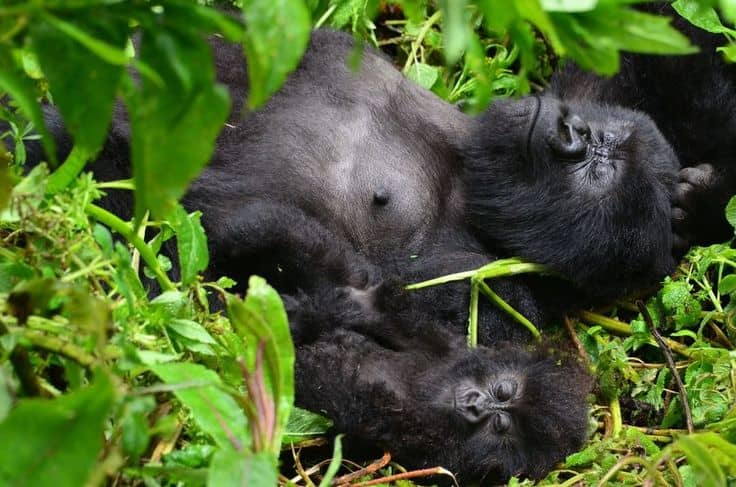
Experience: Combine your birding with the life-changing experience of mountain gorilla trekking.
5. Murchison Falls National Park
Where the mighty Nile provides a stunning backdrop for diverse species.
-
Key Sightings: Shoebill (in the delta), the spectacular Standard-winged Nightjar (seasonal), Red-throated Bee-eater, and the giant Abyssinian Ground Hornbill.
-
Habitat: Riverine forest, Borassus palm savanna, and woodland.
Crafting Your 2026 Birding Itinerary
Sample 10-Day Highlights Tour:
-
Days 1-2: Arrive Entebbe, Shoebill search at Mabamba Bay.
-
Days 3-4: Kibale Forest for chimpanzees and forest birds.
-
Days 5-6: Queen Elizabeth NP for savanna and Kazinga Channel waterbirds.
-
Days 7-9: Bwindi Impenetrable Forest for endemics and gorilla trekking.
-
Day 10: Return to Entebbe.
For the Dedicated Lister (14 Days):
Add excursions to Semuliki National Park (a slice of the Congo with species like the Long-tailed Hawk) and Mount Elgon National Park for high-altitude specials like the Lammergeier.
Essential Tips for a Successful 2026 Trip
-
Best Time to Visit: Excellent year-round. The drier months (Jan-Feb, Jun-Sep) are best for accessibility and general viewing. The wetter seasons (Mar-May, Oct-Nov) are fantastic for breeding plumage and fewer crowds.
-
Hire a Specialist Guide: This is the single best investment for your birdwatching in Uganda 2026 trip. A skilled Ugandan bird guide knows the calls, locations, and behaviors that will transform your experience.
-
Pack Smart:
-
Optics: High-quality binoculars (8×42 or 10×42) and a spotting scope for wetland areas.
-
Field Guide: Birds of East Africa (Stevenson & Fanshawe).
-
Gear: Waterproof notebook, headlamp, neutral-colored clothing, and sturdy, broken-in hiking boots.
-
-
Book in Advance: Gorilla trekking permits and quality lodges in prime birding areas fill up fast. Secure these 9-12 months ahead for 2026 travel.
Conservation Through Tourism
By choosing Uganda, you are directly contributing to the conservation of its avian treasures. Park fees and guide hire fund vital protection efforts and support local communities, ensuring these birds thrive for generations to come.
Your Avian Adventure Awaits
Birdwatching in Uganda 2026 is more than a trip; it’s a deep immersion into one of the planet’s most vibrant and vital ecosystems. From the silent stalk of a shoebill to the dazzling flutter of a sunbird, the memories you collect will be as enduring as they are breathtaking. Start planning now, the birds are calling.
Ready to answer the call? Begin designing your personalized birdwatching in Uganda 2026 adventure today with a reputable, bird-specialized tour operator.