Birding for Beginners: Why Uganda is the Perfect Start

Have you ever been captivated by the flash of a colorful wing or the melodic call of a hidden songbird and felt the urge to know more? Welcome to the wonderful world of birding, a hobby that transforms simple walks into treasure hunts and connects you with nature in a profound way. But where does a beginner even start? With so many destinations around the globe, the choice can be overwhelming. Look no further than the Pearl of Africa. This blog will make the case that Birding for Beginners: Why Uganda is the Perfect Start is not just a claim, but a delightful reality.
Uganda offers a uniquely accessible, safe, and mind-blowingly rich environment that is tailor-made for those taking their first steps into birdwatching. Forget the intimidating checklists of seasoned experts; here, the journey is as rewarding as the destination.
Why Uganda is a Birder’s Dream (Even if You Can’t Tell a Sparrow from an Eagle)
You might associate premier birding spots with rugged, hard-to-reach locations requiring years of experience. Uganda flips that notion on its head. Here’s why it’s the ideal classroom for a novice birder.
1. Unmatched Biodiversity in a Small Area
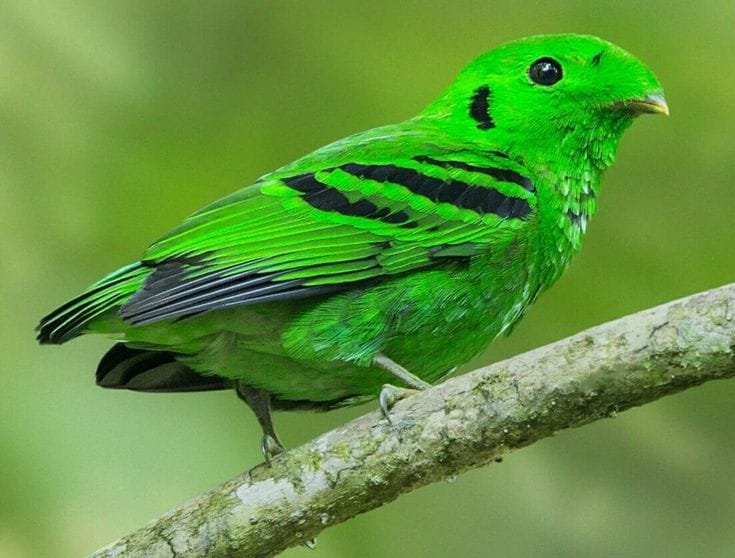
Uganda is one of the most biodiverse countries on the planet for its size. It boasts over 1,080 recorded bird species—that’s nearly 50% of Africa’s total bird population crammed into a country about the size of Great Britain or Oregon! For a beginner, this means you don’t have to travel vast distances to see an incredible variety. In a single day, from the comfort of your safari vehicle or a gentle guided walk, you could see everything from tiny, iridescent sunbirds to massive, prehistoric-looking shoebills.
2. The “Big 5” of Birds: Easy-to-See Iconic Species
Every beginner needs a “win,” and Uganda delivers them in spectacular fashion. The country is home to many of Africa’s most sought-after “bucket list” birds that are surprisingly easy to find here.
-
The Shoebill: This dinosaur-like bird is the holy grail for many. Uganda is one of the best places in the world to see it, with reliable spots like the Mabamba Bay Swamp on the edge of Lake Victoria. A guided canoe trip offers a high chance of a breathtaking encounter.
-
The Great Blue Turaco: A stunning, jay-sized bird with brilliant blue, yellow, and red plumage. It’s common in many of Uganda’s forests and its loud, distinctive call often gives it away before you even see it.
-
The Grey Crowned Crane: Uganda’s national bird is elegant, beautiful, and often seen grazing in open grasslands alongside antelope.
Seeing these iconic species early on is incredibly motivating and makes for amazing stories to tell back home.
3. Beginner-Friendly Infrastructure and Guides
The tourism industry in Uganda is built around accessibility and education. You will find:
-
Expert Guides: Ugandan bird guides are famously patient, knowledgeable, and eagle-eyed. They excel at spotting well-camouflaged birds and are passionate about teaching beginners how to identify species by sight, sound, and behavior. They do the hard work so you can enjoy the discovery.
-
Easy Logistics: Well-established national parks like Queen Elizabeth, Murchison Falls, and Lake Mburo offer excellent road networks, comfortable lodges, and guided activities (game drives, boat cruises, nature walks) that are perfect for birding without requiring specialized trekking skills.
-
Boat Safaris: A highlight of birding in Uganda! Cruises on the Kazinga Channel or the Nile River allow you to sit back comfortably while photographing countless waterbirds, hippos, and elephants along the shores. It’s effortless birding at its best.
4. Beyond Birds: The Ultimate Safari Experience
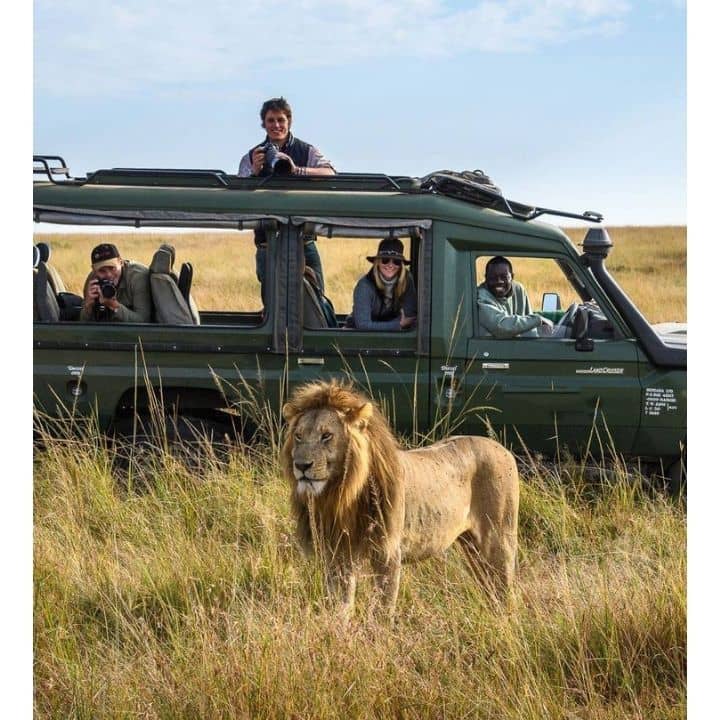
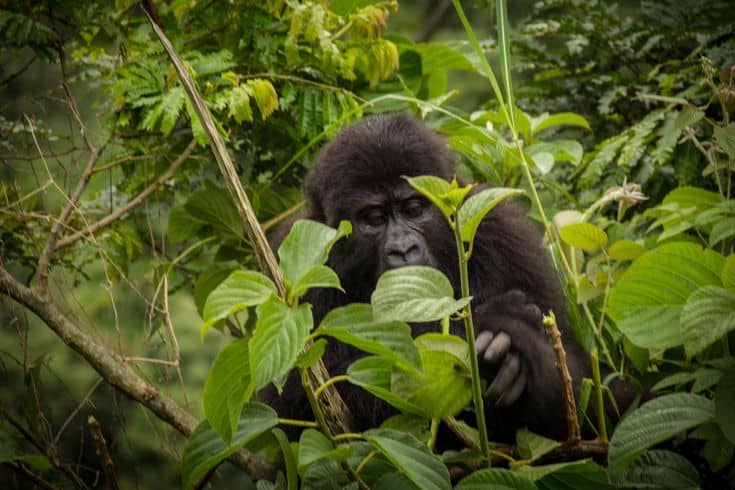
Let’s be honest: staring at a tree for hours for a glimpse of a small bird might not be for everyone on day one. In Uganda, the birding is seamlessly woven into a classic African wildlife safari. While you’re looking for birds, you’ll also be encountering tree-climbing lions, elephants, giraffes, chimpanzees, and monkeys. This variety keeps the experience dynamic and exciting, ensuring there’s never a dull moment.
Getting Started: Your First Birding Safari in Uganda
Feeling inspired? Here’s a simple plan for your beginner-friendly birding trip:
-
Best Time to Go: The dry seasons (December-February and June-August) are ideal as roads are passable and animals (and birds) congregate around water sources.
-
What to Pack: Don’t feel pressured to buy the most expensive gear. A decent pair of binoculars (8×42 is a great start) and a camera with a good zoom lens are sufficient. A field guidebook or app for East African birds is also helpful.
-
Recommended Itinerary: A 10-day trip could include:
-
Mabamba Swamp (for the Shoebill) and Entebbe Botanical Gardens.
-
Lake Mburo National Park for acacia-associated birds and the iconic African Finfoot.
-
Queen Elizabeth National Park for a boat cruise on the Kazinga Channel and game drives.
-
A taste of forest birding in Kibale Forest (also for chimp tracking) or the nearby Bigodi Wetland Sanctuary.
-
Your Adventure Awaits in the Pearl of Africa
The path to becoming a birder is filled with wonder, and choosing the right place to start is key. Uganda removes the barriers to entry and replaces them with unparalleled access to beauty, expert guidance, and the thrill of constant discovery. It proves that you don’t need to be an expert to enjoy one of nature’s greatest spectacles.
So, if you’re looking for a hobby that will deepen your love for travel and the natural world, remember that Birding for Beginners: Why Uganda is the Perfect Start is the only answer you need. Pack your binoculars, bring your sense of wonder, and get ready to be amazed by the avian wonders of the Pearl of Africa.
Have you been birding in Uganda? Share your favorite beginner-friendly spot or bird sighting in the comments below!