Birding Beyond the Parks: Community Reserves & Eco-Sites Every Birder Should Visit
Uganda is justifiably famous for its national parks. Murchison Falls, Queen Elizabeth, Bwindi—these names feature on every birder’s bucket list, and for good reason. But here is a secret that seasoned travelers know: some of the most magical birding experiences happen not inside the national parks, but on their fringes, in community-run wetlands, village forests, and grassroots eco-sites where conservation meets authentic human connection. This is Birding Beyond the Parks: Community Reserves & Eco-Sites Every Birder Should Visit. These are the places where your tourism dollars directly support local families, where guides share not just bird names but personal stories, and where you will often have the trails entirely to yourself.
As we plan our 2026 birding adventures, it is time to look beyond the park boundaries and discover the community initiatives that are redefining conservation in Uganda. These hidden gems offer exceptional birding while demonstrating how tourism can be a force for good. Let’s explore the community reserves and eco-sites that deserve a place on every birder’s itinerary.
Why Go Beyond the Parks?
The national parks of Uganda protect magnificent landscapes and biodiversity, but they represent only part of the story. Uganda’s community reserves and eco-sites offer something different: intimate access, passionate local guides, and the knowledge that your visit directly fuels village development and habitat protection .
Birders who venture into these areas discover that the birds are often more approachable, the experience more personal, and the stories more profound. The high-end birding tourists who stay an average of 16 days and spend over USD 500 daily are increasingly seeking these authentic community experiences . For those practicing Birding Beyond the Parks: Community Reserves & Eco-Sites Every Birder Should Visit, the rewards extend far beyond the bird list.
1. Bigodi Wetland Sanctuary: The Community Conservation Model
Just outside Kibale National Park lies the shining star of Uganda’s community tourism movement. Bigodi Wetland Sanctuary, managed by the Kibale Association for Rural and Environmental Development (KAFRED), is the ultimate example of what happens when a community unites to protect its natural heritage .
The Bigodi Story
Established in 1992 by local residents who recognized that their wetland was worth more intact than drained for agriculture, KAFRED has become Uganda’s most celebrated community conservation success story . Today, the sanctuary spans 8 kilometers of papyrus swamp and riverine forest, supporting over 200 bird species and eight primate species . When you practice Birding Beyond the Parks: Community Reserves & Eco-Sites Every Birder Should Visit, Bigodi is your essential first stop.
Birding Highlights
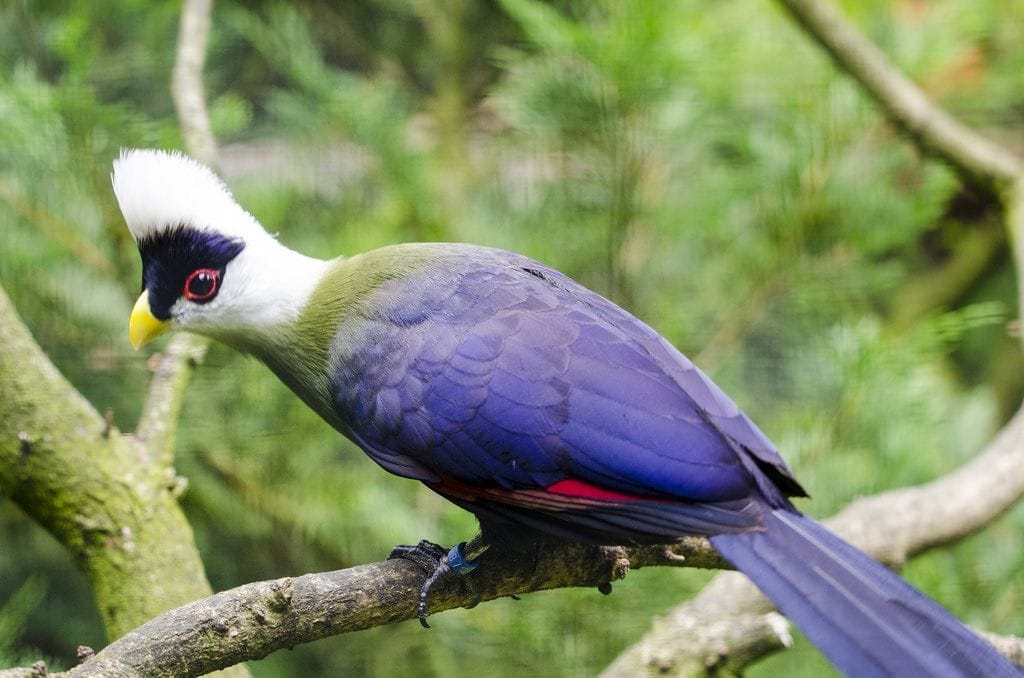
Bigodi is famously called the “Home of the Great Blue Turaco,” and for good reason . This stunning bird, with its brilliant blue, red, and green plumage, is reliably seen here, often gliding clumsily between fig trees. The bird list reads like a who’s who of Uganda’s forest and wetland specials:
-
Papyrus Gonolek: A stunning red and yellow bird restricted to papyrus swamps
-
Blue-headed Coucal: A secretive wetland specialist
-
White-spotted Flufftail: The elusive forest pool dweller
-
Yellow-billed Barbet and Yellow-spotted Barbet
-
Crowned Hornbill and Black-and-white Casqued Hornbill
-
Red-chested Sunbird and Olive-bellied Sunbird
-
Purple Starling, Tambourine Dove, and Brown Illadopsis
The sanctuary’s network of trails, including boardwalks through the swamp, provides excellent viewing opportunities. Early morning walks (2-3 hours covering about 4.5 kilometers) are ideal for both bird activity and comfortable temperatures .
Beyond Birds: The Community Experience
What truly sets Bigodi apart is the cultural immersion. Your visit includes opportunities to:
-
Meet the Bigodi Women’s Group and watch basket weaving demonstrations
-
Visit a traditional healer who uses plants from the wetland
-
Learn how banana gin is brewed
-
Tour local homesteads and share a meal with a Ugandan family
As one traveler noted, “The guides are the soul of the place—swap stories, ask about plants, or get into deep conservation conversations” . The entry fees (approximately $30 for international visitors) directly fund schools, health centers, and clean water initiatives in the community .
2. Mabamba Swamp: Where Fishermen Became Bird Guides
Just 50 kilometers from Kampala, on the northern shores of Lake Victoria, lies Mabamba Swamp—a Ramsar-listed wetland of international importance and one of Africa’s most reliable sites for the legendary Shoebill . But Mabamba’s story is as compelling as its star bird.
A Conservation Transformation
Local fishermen once viewed the Shoebill as a bad omen, believing that seeing one meant poor fishing luck. Conflict between people and birds was common. Today, thanks to tourism, those same fishermen have become the Shoebill’s most passionate protectors . This transformation embodies the spirit of Birding Beyond the Parks: Community Reserves & Eco-Sites Every Birder Should Visit—places where tourism changes both attitudes and livelihoods.
The Birding Experience
Birding at Mabamba is conducted from traditional dugout canoes, poled silently through narrow papyrus channels by expert local guides . The Shoebill is the undisputed star, with around a dozen individuals resident in the swamp. Best viewing is early morning (7:00-9:00 AM) when the birds actively hunt lungfish, known locally as “mamba” .
But Mabamba offers far more than Shoebills:
-
Over 300 bird species recorded
-
Papyrus Gonolek, Blue Swallow, and Malachite Kingfisher
-
African Fish Eagle, Purple Heron, and Goliath Heron
-
African Jacana walking on lily pads
-
Grey Crowned Crane (Uganda’s national bird)
The community entry fee is about $30, with boat and guide fees around $35 . Your payment supports local families and ensures this wetland remains protected for generations.
Practical Information
Mabamba is easily accessible from Entebbe—about 45-50 minutes by speedboat across Lake Victoria, or 1.5 hours by road . The nearby Nkima Forest Lodge offers comfortable accommodation with views over the wetland .
3. Exciting Developments: The Bigodi Grey Parrot Museum
For 2026 travelers, an exciting new attraction has joined the ranks of community eco-sites. In mid-2025, the Bigodi Grey Parrot Museum opened its doors—Africa’s first museum dedicated to parrot conservation .
A Unique Conservation Initiative
Developed through a collaboration between Brown University researchers and local conservationist Nick Byaba, this museum tells the story of the endangered African Grey Parrot and its relationship with the Bigodi community . Byaba started the Parrot Tree Caretakers Association, raising and distributing African oil palm saplings—a key food source for Grey Parrots—to local residents .
The museum features exhibits in both English and the local Rutooro language, designed to be accessible to children and adults alike. A “Local Conservation” exhibit highlights Ugandans who have “become heroes for parrot conservation” . For birders practicing Birding Beyond the Parks: Community Reserves & Eco-Sites Every Birder Should Visit, this museum offers a deeper understanding of the challenges facing Africa’s parrots and the grassroots solutions emerging from Ugandan communities.
4. Emerging Destinations: Makanaga Wetland
Looking ahead, another community-focused site is under development. The Makanaga Wetland, spanning Mpigi and Wakiso districts on the shores of Lake Victoria, is being positioned as Uganda’s next major birding destination .
Future Potential
With over 200 bird species and more than 300 plant species, including 36 internationally threatened and nine globally threatened species, Makanaga boasts impressive biodiversity . The wetland is home to Shoebills, Yellow-billed Ducks, and Long-tailed Cormorants .
The Uganda Wildlife Education Centre (UWEC) is partnering with local governments to develop infrastructure, including accommodations, while working with communities on hygiene and waste management . While still in development, Makanaga represents the growing recognition that community-based eco-sites are essential to Uganda’s tourism future. For birders seeking truly off-the-beaten-path experiences in 2026, this emerging destination deserves attention.
5. The Economic Reality: Why Community Sites Matter
Understanding the significance of community reserves requires recognizing the economic context. Uganda is estimated to host at least 1,076 bird species—50% of Africa’s bird species and 10% of global bird species . This remarkable diversity positions Uganda among the world’s premier birding destinations .
The High-Value Birder
Birding tourists are particularly valuable to local economies. They tend to be affluent, stay longer than average visitors, and spend more money . When you choose to visit community-managed sites, you ensure that this spending reaches the people who live alongside the birds and protect their habitats daily.
However, challenges remain. Infrastructure in community reserves is still developing, and there is a need for more facilities like toilets and camping sites to encourage longer stays . By visiting these sites in 2026, you contribute to the demand that drives infrastructure improvement.
Planning Your 2026 Community Birding Safari
Best Time to Visit
The dry seasons—December to February and June to August—offer the most pleasant trail conditions across Uganda’s community sites . Trails are firmer, bird activity is high, and photography conditions are optimal. However, even during wetter months, these sites retain their charm. As one guide noted, “There’s something special about the scent of papyrus after rainfall, the birds still chattering, the air squeaky clean” .
What to Bring
-
Sturdy walking shoes or boots (trails can be muddy even in dry season)
-
Binoculars (essential for both birding and primate viewing)
-
Camera with zoom lens (birds are often approachable)
-
Rain jacket (afternoon showers possible year-round)
-
Cash in Ugandan shillings (for community crafts and tips)
Supporting Local Communities
Make the most of your visit by:
-
Shopping at community craft stalls—the woven baskets from Bigodi are famous
-
Hiring local guides—their knowledge is unmatched and your fees directly support families
-
Asking questions—learn about conservation challenges and community solutions
-
Spreading the word—tell fellow birders about these hidden gems
The Bigger Picture: Uganda’s Birding Future
The development of community reserves and eco-sites represents a crucial evolution in Uganda’s tourism sector. As Vincent Mugaba of the Uganda Tourism Board notes, birding is being prioritized alongside other products, with initiatives like the Africa Birding Expo and Big Birding Day raising the profile of this lucrative segment .
For birders, the message is clear: Uganda’s avian treasures extend far beyond the national park boundaries. In the swamps managed by former fishermen, the forests protected by village associations, and the wetlands stewarded by local communities, extraordinary birding awaits. This is Birding Beyond the Parks: Community Reserves & Eco-Sites Every Birder Should Visit—an invitation to explore deeper, stay longer, and connect more meaningfully with both the birds and the people of Uganda.
Conclusion
The community reserves and eco-sites of Uganda offer something increasingly rare in global tourism: authentic experiences that genuinely benefit local people while protecting critical habitats. From the world-class birding of Bigodi Wetland Sanctuary to the Shoebill spectacle of Mabamba Swamp, from the innovative Grey Parrot Museum to emerging destinations like Makanaga, these sites deserve a prominent place on every 2026 birding itinerary.
When you step beyond the park boundaries, you discover that conservation is not just about protecting birds—it is about empowering communities, preserving traditional knowledge, and creating sustainable futures. The birds will amaze you, but the people will stay in your heart.
Pack your binoculars, bring your curiosity, and prepare to be inspired. Uganda’s community reserves are waiting.