Birding Along Lake Victoria Shores

Welcome to the source of the Nile, the heart of East Africa, and the shores of one of the world’s most magnificent lakes. Uganda, the Pearl of Africa, is a dream destination for wildlife enthusiasts, and while the mountain gorillas often steal the spotlight, a quieter, equally mesmerizing world awaits along its vast coastline. For any avid birder or nature lover, the experience of Birding Along Lake Victoria Shores is an unmissable chapter in your Ugandan adventure. This is where the symphony of the wild plays out against a backdrop of endless water and sky, offering some of the most accessible and rewarding avian encounters on the continent.
Stretching over 68,800 square kilometers, Lake Victoria is not just a body of water; it’s a dynamic ecosystem teeming with life. Its shores, fringed with wetlands, lush papyrus swamps, dense forests, and quaint fishing villages, create a perfect mosaic of habitats that attract an astounding diversity of birdlife. From majestic birds of prey soaring overhead to tiny, iridescent sunbirds flitting through the lakeside blossoms, every moment spent here is a discovery. Let’s embark on a journey to explore the magic of birding along Lake Victoria’s shores.
Why the Shores of Lake Victoria are a Birder’s El Dorado
The immense size and varied environments of the lake are what make it such a productive birding destination. The shoreline acts as a critical habitat for resident species and a vital rest stop for migratory birds traveling along the African-Eurasian flyway. Whether you’re exploring the botanical gardens of Entebbe, the swampy Mabamba Bay, or the rocky outcrops near Jinja, you are presented with a constantly changing cast of feathered characters.
The prime locations for Birding Along Lake Victoria Shores include:
-
Mabamba Bay Wetland: A Ramsar site and the world’s best place to find the elusive Shoebill stork.
-
Entebbe Botanical Gardens: A historical garden with lakeside access, perfect for forest and water birds.
-
Ngamba Island Chimpanzee Sanctuary: The surrounding water is excellent for spotting waterbirds.
-
Lutembe Bay Wetland: A key stopover for millions of migratory birds, particularly terns and gulls.
Meet the Feathered Stars of the Show
The list of birds you can encounter is vast, but a few stars make the experience truly unforgettable.
-
The Prehistoric Shoebill: The crown jewel for many birders. This silent, statuesque giant, looking like it stepped out of a dinosaur era, can be found stalking the papyrus swamps of Mabamba Bay. A canoe trip through the channels to find one is a quintessential Ugandan experience.
-
The Majestic African Fish Eagle: The iconic sound of Africa. Its haunting, evocative call is the soundtrack of the lake. Watch them perched proudly on a high branch before launching into a spectacular dive to snatch a fish from the water.
-
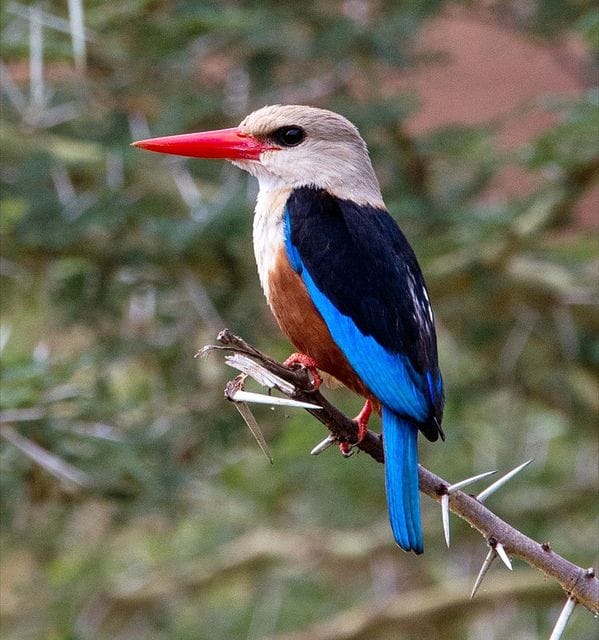
A Rainbow of Kingfishers: The shores are alive with these dazzling hunters. Keep an eye out for the large, cackling Pied Kingfisher, the stunning blue Malachite Kingfisher, and the woodland-dwelling Woodland Kingfisher.
-
Spectacular Weavers and Sunbirds: The lakeside shrubs and trees are bustling with activity. The vibrant yellow and black of weavers building their intricate nests and the flash of iridescent green and red from various sunbird species add constant splashes of color.
-
Migratory Marvels: During the migration seasons (March-April and September-October), the shores become a stage for thousands of visitors from Europe and Asia. Look for flocks of White-winged Terns, Common Sandpipers, and Grey-headed Gulls.
Planning Your Birding Adventure: A Practical Guide
Best Time to Go:
-
Time of Day: Bird activity is at its peak during the early morning and late afternoon.
-
Seasons: While birding is fantastic year-round, the dry seasons (December to February and June to August) offer easier access to trails and waterways. The wet seasons bring lusher landscapes and the arrival of migrants.
What to Pack:
-
Optics: A good pair of binoculars is non-negotiable. A spotting scope is incredibly useful for scanning the lake for waterbirds.
-
Field Guide: A reliable bird book for East Africa will greatly enhance your self-guided experience.
-
Clothing: Neutral-colored, comfortable clothing, a wide-brimmed hat, sturdy shoes, and a waterproof jacket.
-
Protection: High-SPF sunscreen, insect repellent, and plenty of drinking water.
The Unbeatable Value of a Local Guide:
For an experience like Birding Along Lake Victoria Shores, hiring a local guide is not just recommended; it’s essential, especially for finding specific species like the Shoebill. Their expert knowledge of bird calls, behaviors, and territories will multiply your sightings and deepen your understanding of the ecosystem. You also contribute directly to the local economy and conservation efforts.
Beyond the Birds: A Holistic Experience
A day spent along the lake is about more than just ticking species off a list. It’s a cultural and sensory experience.
-
Take a Canoe Ride: Glide silently through the papyrus channels, offering a unique perspective and the best chance to see shy waterbirds.
-
Visit a Fishing Village: See the daily rhythm of life for the local communities whose existence is intertwined with the lake.
-
Enjoy a Sunset: The sunsets over Lake Victoria are legendary. Find a quiet spot and watch as the sky explodes in color, a perfect end to a day of exploration.
Conclusion: Your Lakeside Safari Awaits
The adventure of Birding Along Lake Victoria Shores offers a perfect blend of accessibility, incredible biodiversity, and stunning scenery. It showcases a different, more serene side of Uganda’s wild heart. It proves that you don’t always have to trek deep into a jungle for a profound wildlife encounter; sometimes, the greatest treasures are found where the land gracefully meets the water.
So, pack your bags, charge your camera, and prepare your senses. The shores of Lake Victoria are calling, ready to reveal their feathered wonders and leave you with memories that will last a lifetime.