A Complete Guide to Uganda’s National Parks (With Park Sizes & Highlights)
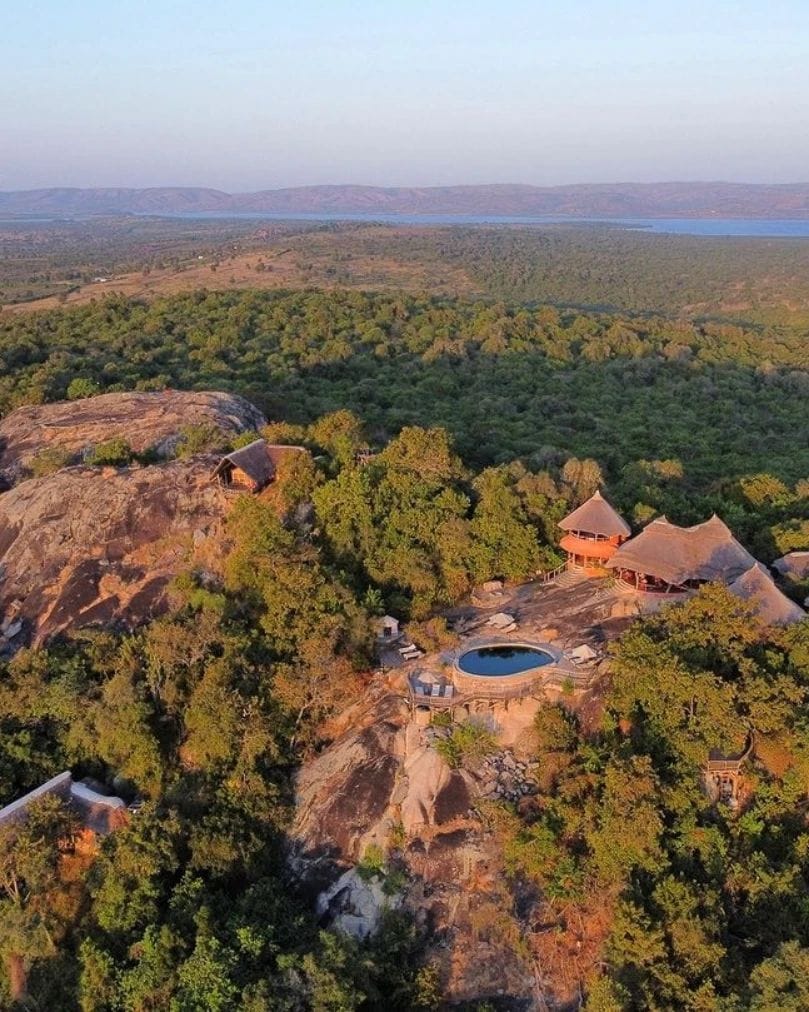
Uganda is a land of extraordinary contrasts. Known as the “Pearl of Africa,” this small East African nation packs an astonishing diversity of landscapes and wildlife into its borders. Within a few hours’ drive, you can transition from the snow-capped peaks of the Rwenzori Mountains to the sun-baked savannahs teeming with elephants, lions, and giraffes. You can track chimpanzees through lush rainforests one day and come face-to-face with mountain gorillas the next.
With ten national parks and numerous wildlife reserves spread across the country , planning your Ugandan safari can feel overwhelming. That is why we have created A Complete Guide to Uganda’s National Parks (With Park Sizes & Highlights) . Whether you are a first-time visitor or a returning safari enthusiast, this guide will help you navigate the country’s protected areas and choose the parks that match your interests.
In this comprehensive overview, we will walk you through each national park, providing essential information on size, location, key attractions, and the best times to visit. Let this be your roadmap to discovering the wild heart of Uganda.
Why Uganda’s National Parks Are Special
Uganda’s protected areas are remarkable for their biodiversity. The country sits at the crossroads of East African savannah and West African rainforest ecosystems, resulting in an incredible mix of species . Nowhere else in Africa can you find such a combination of montane gorilla habitat, lowland rainforest, expansive savannah, and alpine terrain within such a compact area.
The parks range in size from the intimate Mgahinga Gorilla National Park at just 38 square kilometers to the vast Murchison Falls National Park, which spans nearly 4,000 square kilometers . Each offers unique experiences, and understanding these differences is essential when planning your itinerary. That is the value of A Complete Guide to Uganda’s National Parks (With Park Sizes & Highlights) —it helps you match your travel dreams with the right destinations.
Murchison Falls National Park: The Largest of Them All
Size: 3,877 km²
Location: Northwestern Uganda, approximately 305 km from Kampala
Year Gazetted: 1952
Murchison Falls is Uganda’s largest and oldest national park, and it delivers on every level . The park is bisected by the Victoria Nile, which plunges through a narrow 7-meter gorge, creating the thunderous Murchison Falls—one of Africa’s most powerful waterfalls .
Key Highlights:
-
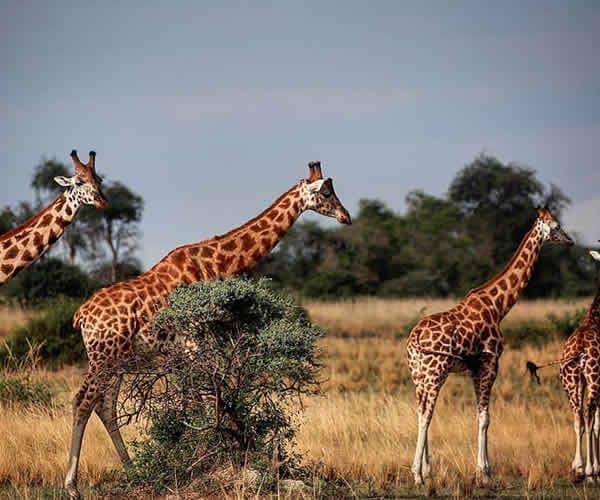
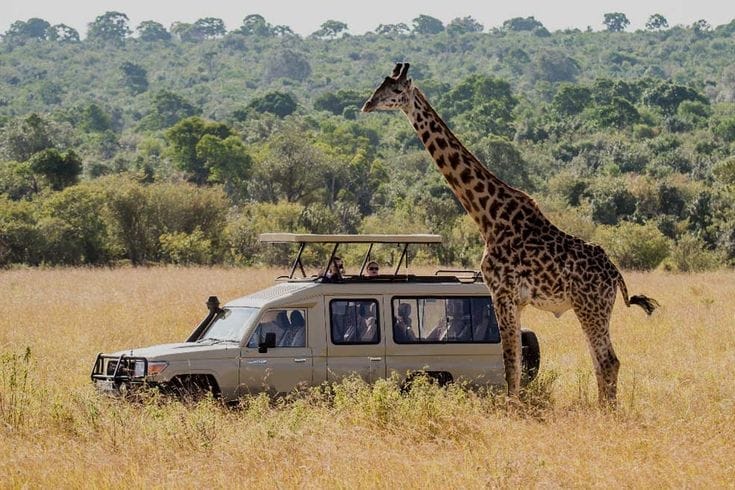
Game Drives: The northern bank offers excellent wildlife viewing, with large herds of elephants, buffaloes, and the endangered Rothschild’s giraffe . Lions are frequently spotted, and leopards are present for the patient observer .
-
Boat Cruises: A launch cruise to the base of the falls is non-negotiable. You will drift past massive pods of hippos, basking Nile crocodiles, and elephants drinking along the riverbanks .
-
Birding: With over 450 bird species, including the elusive shoebill stork in the Nile Delta, this is a birder’s paradise .
-
Chimpanzee Trekking: The adjacent Budongo Forest Reserve offers chimpanzee tracking experiences .
When to Go: December to February and June to September
Queen Elizabeth National Park: Uganda’s Most Popular
Size: 2,056 km²
Location: Southwestern Uganda, about 400 km from Kampala
Year Gazetted: 1952
Queen Elizabeth National Park is a mosaic of savannah, wetlands, and volcanic craters, set against the backdrop of the Rwenzori Mountains . It is Uganda’s most visited park, and for good reason .
Key Highlights:
-
Tree-Climbing Lions: The Ishasha sector is one of only two places in Africa where lions regularly climb fig trees, a behavior believed to help them stay cool and escape insects .
-
Kazinga Channel Boat Safari: This 40-kilometer channel between Lake Edward and Lake George hosts one of Africa’s highest concentrations of hippos . You will also see buffaloes, elephants, and crocodiles from the water .
-
Birding: With over 600 bird species recorded, more than any other African park, Queen Elizabeth is a top destination for birdwatchers .
-
Kyambura Gorge: Descend into this underground forest to track chimpanzees in a dramatic river gorge setting .
When to Go: December to February and June to September
Bwindi Impenetrable National Park: Home of the Mountain Gorillas
Size: 331 km²
Location: Southwestern Uganda, on the edge of the Rift Valley
Year Gazetted: 1991 (UNESCO World Heritage Site in 1994)
Bwindi is one of Africa’s most extraordinary destinations. This ancient, mist-covered rainforest is one of the last refuges of the endangered mountain gorilla, hosting roughly half of the world’s remaining population .
Key Highlights:
-
Gorilla Trekking: The experience of spending an hour with a gorilla family is life-changing. You will trek through dense vegetation with experienced guides to find one of the park’s 18 habituated groups .
-
Biodiversity: Bwindi protects 120 mammal species, 350 bird species, and over 200 butterfly species . It has the highest tree diversity in East Africa .
-
Batwa Cultural Experience: Learn about the indigenous Batwa pygmies, who traditionally lived in the forest and offer insights into their ancient way of life .
When to Go: June to September and December to February
Kibale National Park: The Primate Capital of the World
Size: 766 km² (some sources cite 370 km² or 795 km² depending on boundaries)
Location: Western Uganda, near Fort Portal
Year Gazetted: 2006
Kibale is renowned for its primates. With 13 primate species, it boasts the highest primate diversity and density in Africa . The park’s lush rainforest is interspersed with grassland and swamp, creating rich habitat for wildlife.
Key Highlights:
-
Chimpanzee Trekking: Kibale is Uganda’s premier destination for chimpanzee tracking, with over 1,500 individuals . The habituation experience allows you to spend a full day with the chimps .
-
Other Primates: Look for red colobus, L’Hoest’s monkeys, grey-cheeked mangabeys, and black-and-white colobus .
-
Bigodi Wetland Sanctuary: Adjacent to the park, this community-run wetland offers excellent birding and primate viewing on boardwalks .
-
Night Walks: Join a guided night walk to spot bushbabies and pottos .
When to Go: December to February and June to September
Kidepo Valley National Park: The Remote Wilderness
Size: 1,430 km²
Location: Northeastern Uganda, near the borders of South Sudan and Kenya
Year Gazetted: 1958
Kidepo is Uganda’s most isolated park, and those who make the journey are rewarded with one of Africa’s finest wilderness experiences . The park’s rugged, semi-arid landscapes are strikingly beautiful and support wildlife not found elsewhere in Uganda.
Key Highlights:
-
Big Game: Kidepo hosts four of the Big Five (lion, leopard, elephant, buffalo) and is the only park in Uganda where you might spot cheetahs . Ostriches are also a unique attraction .
-
The Narus Valley: This is the park’s prime game-viewing area, with permanent water that attracts large herds of buffalo, elephants, and antelopes .
-
Birding: Over 460 bird species have been recorded, including the ostrich, kori bustard, and several raptors unique to this arid region.
-
Scenery: The park’s vast horizons, mountain backdrops, and open savannah create dramatic landscapes perfect for photography.
When to Go: December to February and June to September
Rwenzori Mountains National Park: The Mountains of the Moon
Size: 995 km²
Location: Western Uganda, along the Congo border
Year Gazetted: 1991
The Rwenzori Mountains are Africa’s most dramatic mountain range, often shrouded in mist and home to permanent glaciers despite being located on the equator . This UNESCO World Heritage Site offers a completely different experience from savannah safaris.
Key Highlights:
-
Trekking and Mountaineering: The park offers multi-day treks through unique vegetation zones, from bamboo forests to alpine meadows and glaciers. Margherita Peak on Mount Stanley is Africa’s third-highest summit .
-
Unique Flora: The mountains are famous for their giant lobelias, groundsels, and heathers, creating an otherworldly landscape .
-
Scenery: Glaciers, waterfalls, and alpine lakes make this one of Africa’s most beautiful trekking destinations.
When to Go: June to August and December to February (dry seasons for trekking)
Lake Mburo National Park: The Best for Walking Safaris
Size: 370 km²
Location: Western Uganda, near Mbarara
Year Gazetted: 2006
Lake Mburo is Uganda’s smallest savannah park, but it offers intimate wildlife experiences and is easily accessible from Kampala. It is part of a larger wetland system that includes five lakes.
Key Highlights:
-
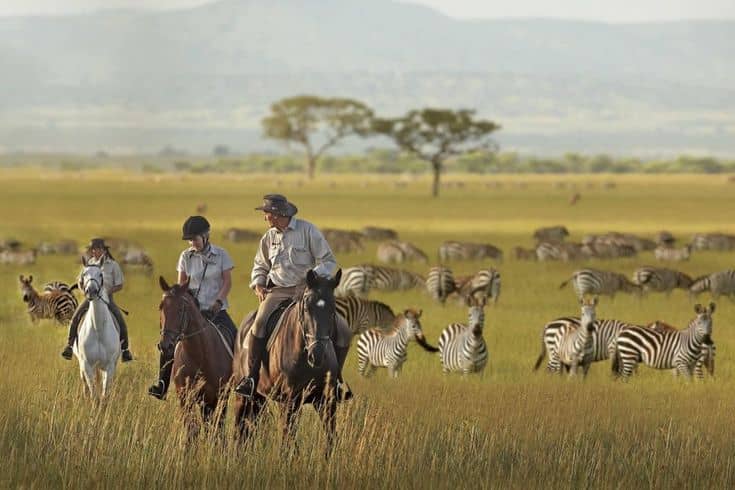
Walking Safaris: Lake Mburo is one of the few parks in Uganda where guided walking safaris are permitted, offering a ground-level perspective on wildlife .
-
Boat Cruises: Explore Lake Mburo by boat to see hippos, crocodiles, and waterbirds.
-
Zebra and Impala: The park is home to Uganda’s only population of impala and healthy herds of zebra and buffalo.
-
Birding: Over 350 bird species, including the African finfoot and shoebill (rarely), have been recorded.
When to Go: Year-round, but dry seasons (June-September and December-February) are best for walking.
Mount Elgon National Park: The Ancient Volcano
Size: 1,110 km²
Location: Eastern Uganda, on the Kenyan border
Year Gazetted: 1992
Mount Elgon was once Africa’s highest mountain, but millions of years of erosion have reduced it to its current height . The park protects the mountain’s caldera and forested slopes.
Key Highlights:
-
Hiking and Trekking: Several trails lead to the caldera and the peak at Wagagai (4,321 meters). The Sipi Falls area, on the park’s foothills, offers beautiful hikes and abseiling .
-
Caves: Explore vast caves where elephants and buffaloes come at night to lick natural salt from the walls .
-
Birding: Over 300 bird species, including the endangered lammergeyer, are found here .
When to Go: June to September and December to February
Semuliki National Park: A Taste of Central Africa
Size: 220 km²
Location: Western Uganda, in the Semliki Valley
Year Gazetted: 1993
Semuliki is Uganda’s version of a Central African rainforest. It is an extension of the Ituri Forest of the Congo Basin and hosts species found nowhere else in East Africa.
Key Highlights:
-
Hot Springs: The park’s Sempaya Hot Springs bubble up from the ground, with temperatures hot enough to boil eggs .
-
Birding: Semulki is a top birding destination, with over 440 species, including many Congo Basin specials like the lyre-tailed honeyguide and Nkulengu rail.
-
Forest Walks: Explore the forest on guided walks to see monkeys, forest elephants (rare), and unique butterfly species.
When to Go: Year-round, but drier months are better for trail conditions.
Mgahinga Gorilla National Park: The Smallest Park
Size: 38 km²
Location: Southwestern Uganda, in the Virunga Mountains
Year Gazetted: 1991
Mgahinga is Uganda’s smallest national park, but it protects the Ugandan slopes of the Virunga Volcanoes—three of the eight peaks in this mountain chain. It forms part of the transboundary conservation area with Rwanda and Congo.
Key Highlights:
-
Gorilla Trekking: Mgahinga is home to one habituated gorilla family, offering an alternative to Bwindi for gorilla encounters .
-
Golden Monkey Tracking: The park protects a population of the rare and beautiful golden monkey.
-
Volcano Climbing: Climb Mount Gahinga or Mount Sabyinyo for spectacular views across the Virungas.
-
Batwa Cave Experience: Learn about the Batwa pygmies, who once lived in the forest and used the volcanic caves.
When to Go: June to September and December to February
Crafting Your Uganda Safari
Now that you have A Complete Guide to Uganda’s National Parks (With Park Sizes & Highlights) , how do you choose?
For First-Time Visitors:
A classic circuit combines Murchison Falls, Kibale, Queen Elizabeth, and Bwindi. This route offers the full spectrum: Big Five game viewing, chimpanzee tracking, boat safaris, and gorilla trekking .
For Off-the-Beaten-Path Adventurers:
Head to Kidepo Valley for a true wilderness experience. Combine it with Murchison for a northern circuit that rewards the intrepid traveler.
For Trekking Enthusiasts:
Focus on the west: Rwenzori for mountaineering, Mgahinga for volcano climbs, and Bwindi or Mgahinga for gorillas.
For Birders:
Queen Elizabeth (600+ species), Kibale, and Semuliki are top priorities, with Mabamba Swamp near Entebbe offering reliable shoebill sightings .
When to Go: Seasonal Considerations
The dry seasons, June to September and December to February, are the best times for most parks . Trails are drier, animals congregate near water sources, and roads are more accessible.
The wet seasons (March to May and October to November) transform the landscapes into lush green paradises. Birding is excellent, lodges offer discounts, and parks are less crowded, though some trails may be muddy .
Final Thoughts
Uganda’s national parks are among Africa’s most diverse and rewarding destinations. From the thunderous Nile at Murchison Falls to the misty gorilla forests of Bwindi, each park offers something unique. Whether you are seeking close encounters with mountain gorillas, the thrill of a savannah game drive, or the challenge of a high-altitude trek, you will find it here.
We hope this guide serves as your essential planning tool. Refer back to it as you build your itinerary, and remember that the best safaris combine different parks to experience the full richness of the Pearl of Africa.
Start planning your 2026 adventure today, and discover why Uganda’s national parks are waiting to welcome you.